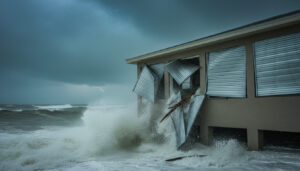
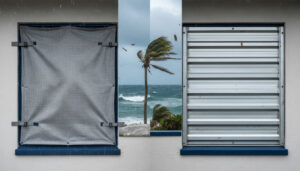
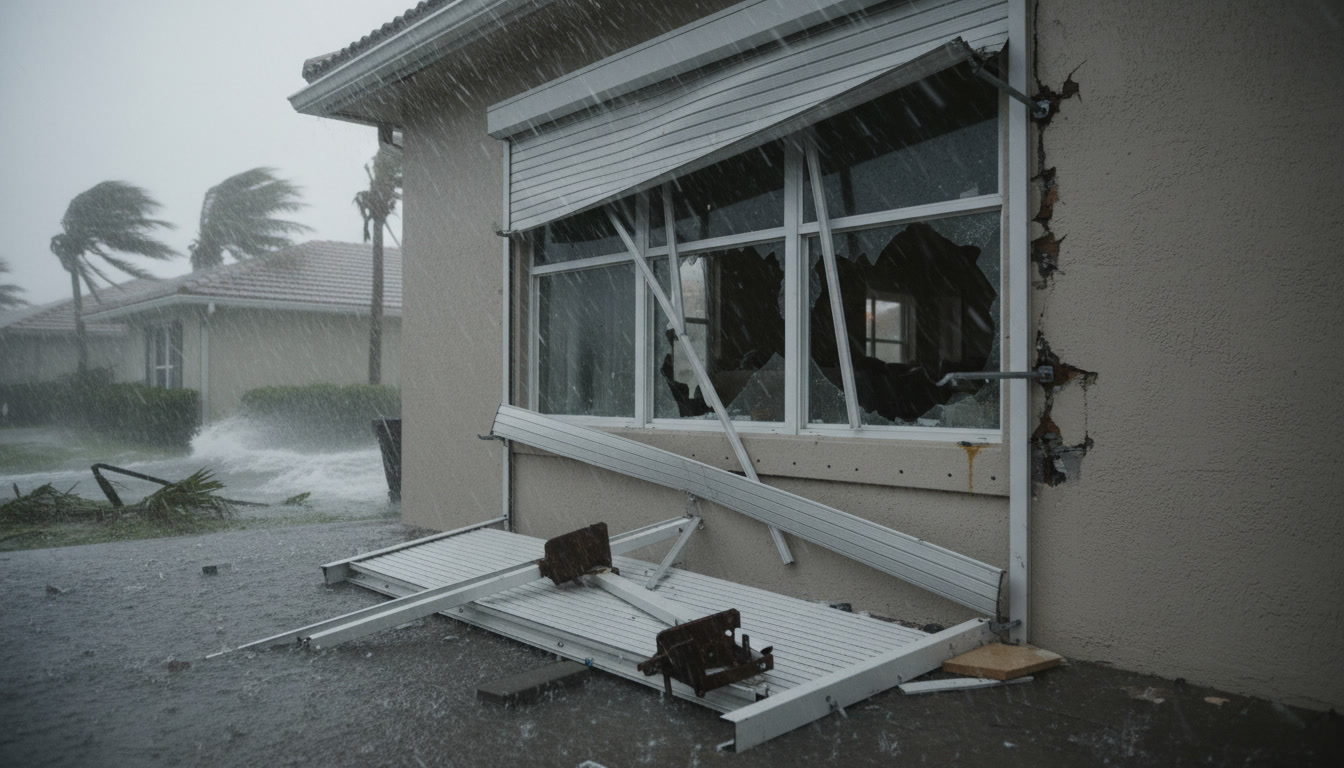
When hurricane shutters fail during a storm, the consequences escalate rapidly. Windows become vulnerable to flying debris, wind pressure forces rain and storm surge into the home, and the structural integrity of the entire building is compromised. Shutter failure typically results from improper installation, inadequate maintenance, substandard materials, or choosing a protection system not rated for the wind speeds in your area.
The Role of Storm Protection in Coastal Homes
Coastal properties face unique weather challenges that inland homes rarely encounter. Storm surge, salt air corrosion, and sustained high winds create an environment where protective barriers must perform flawlessly when conditions turn severe. Your home’s envelope, the physical barrier between interior and exterior, depends on every component working together during a hurricane.
Windows represent the weakest structural element in most homes. A single broken window allows wind to enter the structure, increasing internal pressure that can lift the roof or blow out other openings. Quality storm protection serves as the first line of defense, but only when the system functions as designed under extreme conditions.
Understanding the Chain Reaction of Shutter Failure
The moment a shutter system gives way, a dangerous sequence begins. Wind speeds that were previously deflected now concentrate their full force on the glass beneath. Modern windows can withstand some pressure, but projectiles traveling at 100 miles per hour will shatter even impact-resistant glass if given enough attempts.
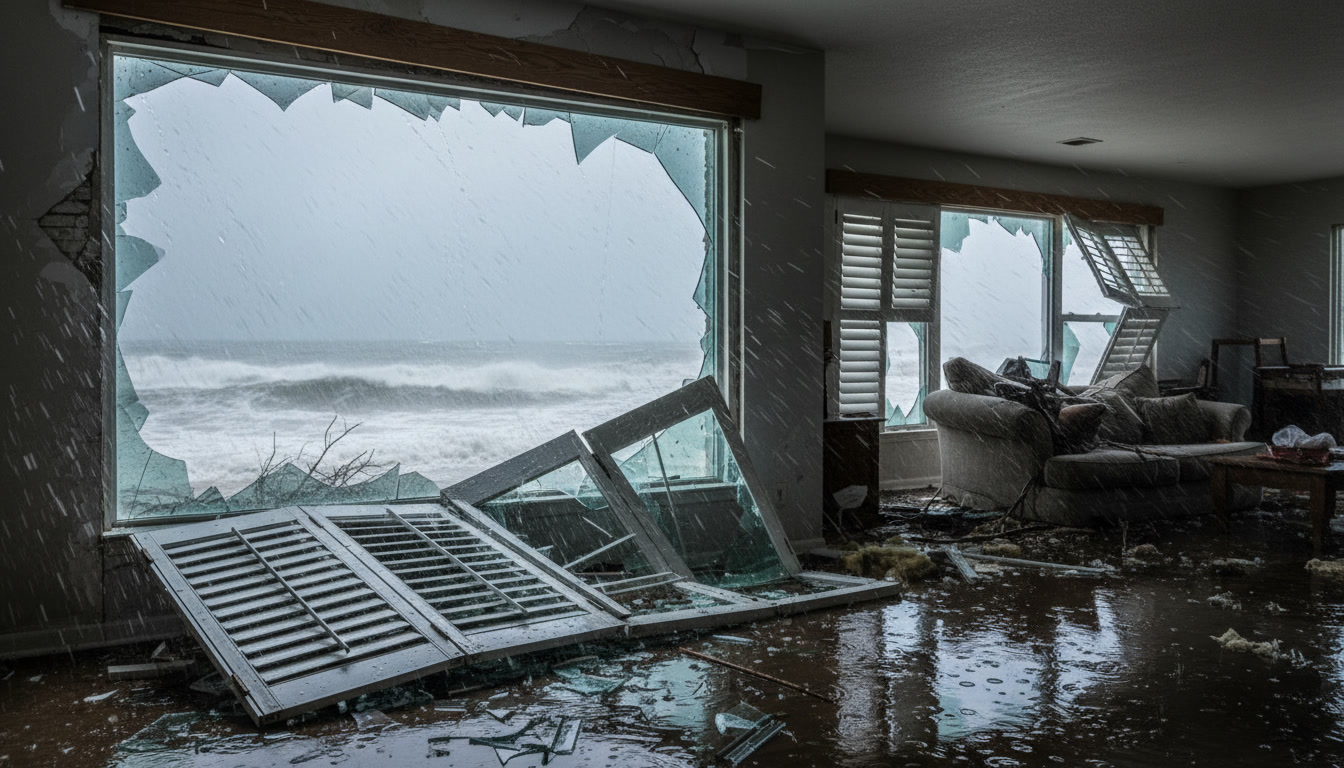
Once glass breaks, the interior of your home becomes part of the storm environment. Rain pours in at rates measured in inches per hour. Furniture, electronics, and irreplaceable personal items suffer immediate water damage. More critically, the wind rushing through broken openings creates positive pressure inside the structure while negative pressure pulls at the roof from above.
This pressure differential is how hurricanes remove roofs from otherwise sound buildings. Engineers have documented cases where a single failed window led to complete roof loss on homes that would have survived intact with proper protection. The financial difference between localized window damage and whole-structure failure easily reaches six figures.
Installation Errors That Lead to Catastrophic Failure
The most common cause of shutter failure traces back to installation mistakes. Fasteners must penetrate deep enough into structural framing to resist the calculated wind loads for your specific building code zone. Many failures occur because installers used fasteners that were too short, too few, or placed in locations without adequate backing material.
Concrete block walls require specific anchors rated for pull-out resistance. Wood framing demands different fastener types and spacing. A shutter attached to vinyl siding or exterior foam sheathing without reaching solid wood will tear away regardless of the shutter’s own strength. The attachment points bear the entire load, and shortcuts here produce predictable results.
Track systems for accordion or rolling shutters must be level and securely mounted along their entire length. A track that pulls away from the wall at any point allows the entire shutter to collapse. Seacoast Systems Inc has responded to numerous post-storm situations where improper installation was the sole reason for system failure, even though the shutters themselves remained undamaged.
Material Quality and Design Limitations in Wilmington Storm Conditions
Not all shutters carry the same performance ratings. Products designed for tropical storm protection may not survive Category 3 or 4 hurricane winds. The testing and certification process separates products by their actual tested wind resistance, measured in pounds per square foot of pressure.
Aluminum thickness matters significantly in roll-down and accordion designs. Gauge 22 aluminum offers less resistance than gauge 18, and the difference becomes critical when sustained winds exceed 110 miles per hour. Some manufacturers use thinner materials to reduce costs, creating products that meet minimum code for weaker storm zones but fail in severe conditions.
Plastic components in locking mechanisms or guide tracks degrade under ultraviolet exposure common in the Wilmington area. After several years of coastal sun exposure, these parts become brittle and snap under load. Metal components resist UV damage but face corrosion from salt air if not properly treated or maintained.
The Hidden Danger of Deferred Maintenance
A shutter system that performed perfectly when new can become a liability after years without inspection or service. Moving parts accumulate dirt, salt deposits, and corrosion that prevent smooth operation. Homeowners who attempt to deploy shutters for the first time in years sometimes discover that motors no longer function, tracks are jammed, or panels have warped.
Lubrication dries out and turns to sticky residue. Fasteners corrode and lose their holding strength. Seals that keep tracks aligned deteriorate, allowing panels to bind or derail. These maintenance issues often go unnoticed until the system is needed most, and by then, there is no time for repairs.
Annual testing and servicing catches these problems while they remain minor. A maintenance program costs a fraction of post-storm repairs and ensures the system will deploy properly when a storm threatens. Many insurance claims related to shutter failure stem from neglected maintenance rather than product defects.
Impact Resistance Versus Wind Load Performance
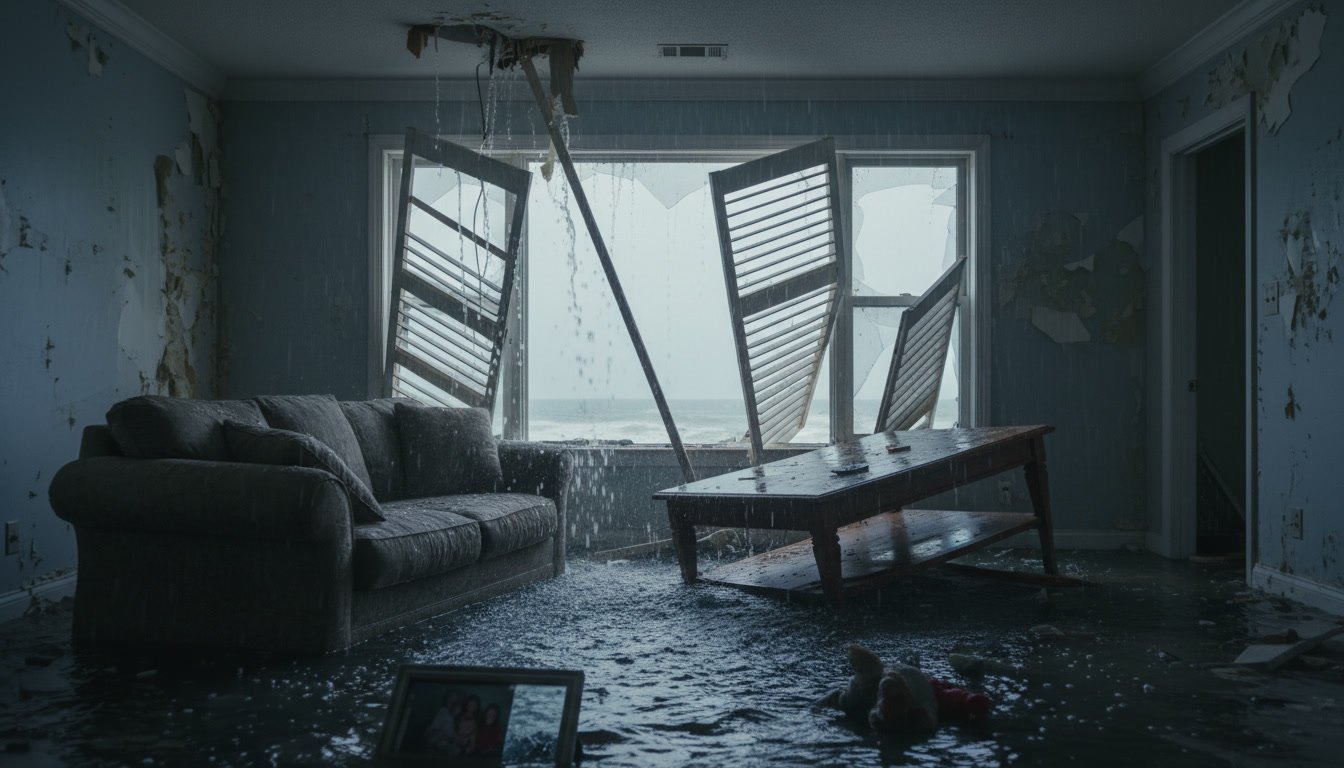
Storm protection systems face two distinct challenges: resisting impacts from debris and withstanding sustained wind pressure. Some products excel at one while falling short on the other. Fabric screens, for example, can achieve excellent wind ratings because they allow air to pass through, reducing pressure buildup. However, their impact resistance depends entirely on the specific product design and installation method.
Solid panel shutters block both wind and debris effectively but must be engineered to handle the full pressure load across their entire surface. A shutter rated for 150 mile per hour winds has been tested to withstand specific pressure without bending, tearing, or pulling away from its mounts. Using a lower-rated product in a high-wind zone invites failure.
Understanding hurricane shutter ratings and certifications helps you match the product to your actual risk level. Testing standards like Miami-Dade protocols subject shutters to both large and small missile impacts followed by sustained pressure cycling. Products that pass these tests have demonstrated real-world survivability.
Why Retrofit Installations Carry Higher Risk
Homes built before modern storm codes often lack the structural reinforcement needed to support today’s certified shutter systems. Adding shutters to an older home requires careful evaluation of wall construction, framing patterns, and attachment point locations.
Older concrete block may have insufficient thickness or density for proper anchor engagement. Wood framing in homes from the 1970s and earlier sometimes used lower-grade lumber or wider stud spacing than current standards require. These structural limitations mean that even correctly installed shutters may not achieve their rated performance on certain buildings.
Professional installation companies assess these factors before recommending specific products. In some cases, structural reinforcement must precede shutter installation. Skipping this step to save money often leads to failure during the exact conditions the shutters were meant to withstand.
Common Failure Points: A Technical Breakdown
Field experience and engineering studies have identified specific weak points where failures most commonly originate:
- Track end caps that pull out under lateral loads, allowing panels to escape their guides
- Center meeting points on accordion shutters where locking mechanisms bend or break
- Corner attachments on colonial shutters that experience the highest stress concentration
- Bottom tracks on roll-down systems that flex upward when wind pressure creates suction
- Hinge screws on Bahama shutters that loosen over time and pull free under uplift forces
- Fabric attachment edges where grommets tear through material during sustained buffeting
Each shutter type has characteristic failure modes related to its design. Knowing these vulnerabilities helps during inspection and maintenance. Small problems at these critical points should trigger immediate repair rather than waiting until the next storm season.
The True Cost of System Failure
Financial losses from shutter failure extend well beyond the replacement cost of the shutters themselves. Water intrusion ruins drywall, flooring, and insulation. Electronics and appliances suffer permanent damage from moisture exposure. Mold begins growing within 48 hours, requiring professional remediation that often costs thousands of dollars.
Structural damage from wind entering through failed openings adds another layer of expense. Roof decking replacement, rafter repairs, and ceiling reconstruction quickly exceed the cost of premium shutters installed correctly from the start. Insurance deductibles for hurricane damage in coastal zones now routinely reach 2 to 5 percent of the home’s insured value.
Lost use of the home during repairs creates additional costs for temporary housing. Some families spend months in hotels or rental properties while contractors rebuild. The disruption to daily life, work, and children’s schooling carries a cost that no insurance policy fully covers.
Prevention Through Proper Selection and Installation
Preventing shutter failure begins with choosing the right hurricane shutter system for your specific windows, home construction, and local wind zone. Generic online purchases rarely account for the engineering requirements of your particular situation.
Professional assessment identifies the correct product type, required ratings, and necessary structural reinforcement before installation begins. Reputable installers pull permits and schedule inspections, ensuring the work meets current building codes. These steps add modest costs upfront but eliminate the risk of catastrophic failure later.
Material selection should prioritize proven performance over initial cost savings. Marine-grade aluminum, stainless steel fasteners, and UV-resistant components cost more but deliver reliable service for decades. Budget products may appear identical but use inferior materials that degrade quickly in coastal environments.
Protecting Your Investment for the Long Term
Storm protection represents a significant investment in your home’s resilience and your family’s safety. That investment only pays returns when the system performs as intended during severe weather. Regular maintenance, prompt repairs, and periodic professional inspection keep the system ready for deployment.
Testing your shutters at least once annually, preferably before hurricane season begins, reveals problems while there is still time to address them. If you discover difficulty operating panels, unusual sounds, or visible damage, schedule service immediately. The weeks before a storm threatens are too late for repairs, as contractors become overwhelmed with emergency requests.
Understanding how hurricane shutters work to protect your home helps you recognize when something is not functioning correctly. Shutters should deploy smoothly, lock securely, and show no gaps or misalignment. Any deviation from proper operation deserves professional attention.
Shutter failure during a hurricane is not inevitable. Most failures trace back to preventable causes: poor installation, inadequate materials, deferred maintenance, or selecting a product not rated for local conditions. Homeowners who invest in quality systems, ensure proper installation by experienced professionals, and maintain their shutters consistently face dramatically lower risk when storms approach.
For over 15 years, Seacoast Systems Inc has helped property owners throughout the coastal Carolina region select, install, and maintain storm protection systems that perform when needed most. If you have concerns about your current shutters or need guidance selecting a new system, our team provides expert assessment and installation backed by deep local experience. Call (910) 763-6679 to schedule a consultation and ensure your home is protected by shutters you can trust.