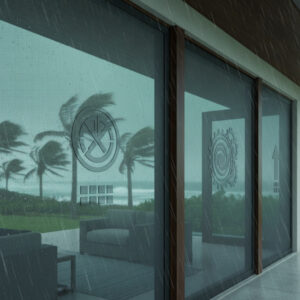
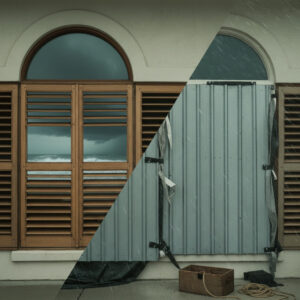
Hurricane shutter ratings and certifications tell you whether your shutters will actually protect your home when a storm hits. These ratings measure wind resistance, impact protection, and structural integrity through rigorous testing protocols established by Miami-Dade County and other agencies. Understanding these standards helps you choose shutters that meet building codes and provide real protection during severe weather events.
Why Storm Protection Standards Matter for Coastal Homes
Coastal properties face unique threats during hurricane season. Wind speeds can exceed 150 miles per hour, and flying debris turns ordinary objects into dangerous projectiles. Without proper protection, windows and doors become the weakest points in your home’s defense system.
Building codes in hurricane-prone regions require specific performance levels for storm protection products. These requirements exist because a single broken window can cause catastrophic pressure changes inside your home, potentially leading to roof failure and structural collapse. The right shutters prevent this chain reaction.
The Testing Process Behind Certification Labels
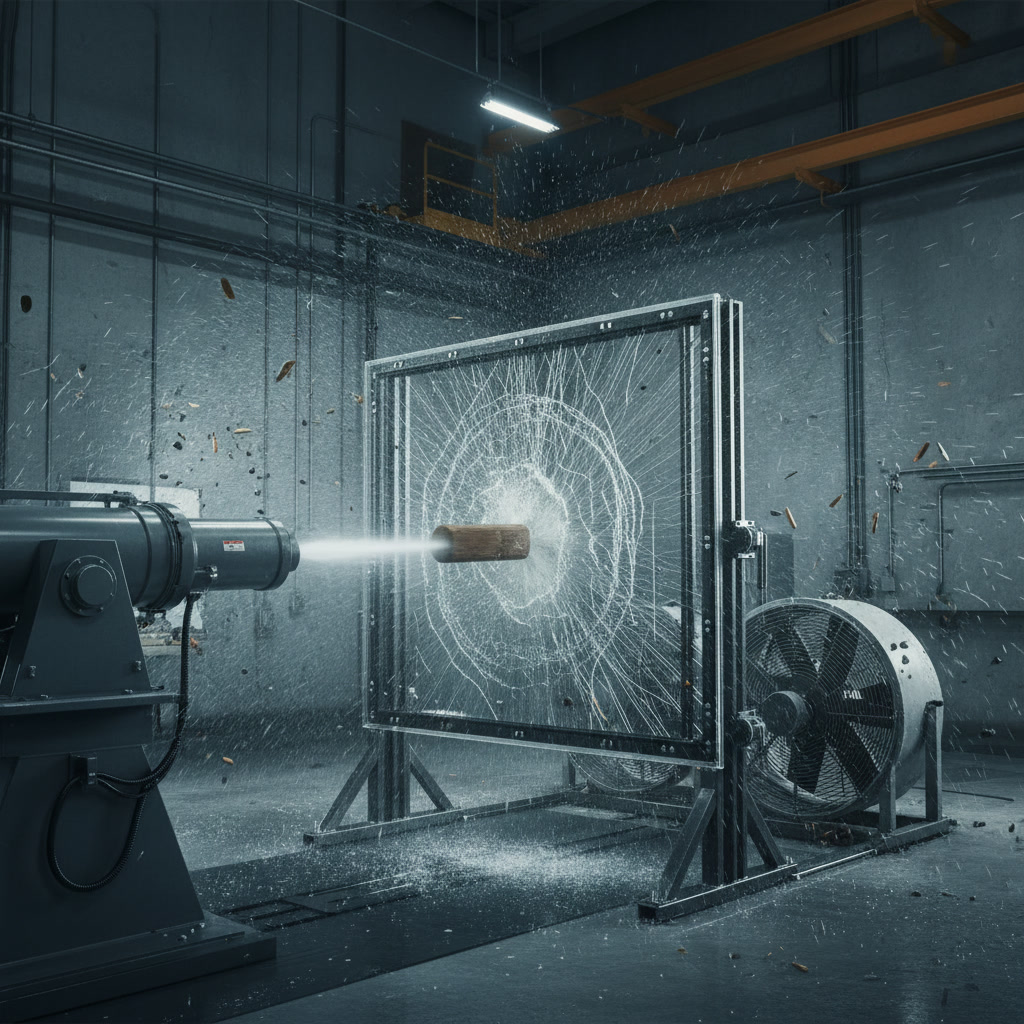
Before any shutter earns a certification label, it must survive multiple destructive tests in controlled laboratory conditions. Engineers subject full-size samples to wind pressures using specialized chambers that simulate hurricane conditions. The shutter must resist these forces without failing or allowing dangerous deflection.
Impact testing follows a different protocol. Test facilities fire wooden two-by-fours weighing nine pounds at shutters at speeds up to 50 feet per second. This simulates debris carried by hurricane winds. After impact, the shutter undergoes 9,000 cycles of positive and negative pressure to verify it still functions and protects the opening.
These tests aren’t gentle. Many products fail on their first attempt, forcing manufacturers to redesign and retest. Only shutters that pass every requirement earn certification.

Miami-Dade County Approval Standards
Miami-Dade County maintains the strictest storm protection standards in the United States. Products approved under Miami-Dade protocols meet or exceed requirements for nearly every other jurisdiction. This approval process includes testing for large and small missile impacts, cyclic pressure loading, and water penetration resistance.
A Miami-Dade Notice of Acceptance serves as the gold standard in the industry. Products carrying this designation have proven themselves under the most demanding conditions. Many building departments outside Florida accept Miami-Dade approval as automatic compliance with local codes.
Florida Building Code Requirements
The Florida Building Code divides the state into zones based on wind speed risk. Coastal areas typically fall into the High Velocity Hurricane Zone, requiring products to withstand design pressures of 30 to 50 pounds per square foot or more. Your specific location determines the exact rating your shutters need.
Product approval numbers appear on labels attached to certified shutters. Building inspectors check these numbers against approved product lists during permit reviews and final inspections. Installing non-certified products can result in failed inspections, insurance complications, and real vulnerability during storms.
Design Pressure Ratings Explained
Design pressure measures how much wind force a shutter can resist, expressed in pounds per square foot. A shutter rated for 40 psf can withstand winds of approximately 155 miles per hour. These calculations account for both positive pressure pushing against the shutter and negative suction pressure pulling it away from the building.
Your home’s design pressure requirement depends on several factors: wind zone, building height, exposure category, and opening size. Taller buildings face higher pressures. Properties with little surrounding shelter need higher ratings than those protected by terrain or other structures.
Engineers calculate exact requirements during the permitting process. Working with experienced professionals ensures your shutters match these specifications.
Impact Resistance Classifications for Wilmington Properties
Impact ratings separate into two categories based on missile size. Large missile impact protection means the shutter can stop a nine-pound two-by-four traveling at 50 feet per second. Small missile protection addresses smaller, faster debris like roof gravel or tree branches.
Properties in Wilmington typically require large missile protection for their storm defenses. The certification label on your shutters should clearly state which level of protection the product provides. Different shutter systems may carry different impact ratings even from the same manufacturer.
Comparing Major Certification Bodies
Several organizations test and certify storm protection products, each with slightly different protocols:
- Miami-Dade County Product Control Division maintains the most recognized approval process
- Florida Building Code Testing Application Standard provides statewide certification
- Texas Department of Insurance certifies products for Gulf Coast requirements
- International Code Council Evaluation Service issues reports accepted across multiple states
Products may carry multiple certifications. A shutter with both Miami-Dade and ICC-ES approval demonstrates broad compliance with various building codes. This flexibility matters if you plan to sell your home, as buyers and insurers recognize these certifications as proof of quality.
How Installation Affects Certified Performance
Here’s a critical detail many homeowners miss: certification only guarantees performance when installers follow exact specifications. The test lab evaluates the complete assembly, including mounting hardware, fastener spacing, and attachment methods. Deviating from these specifications voids the certification.
Installation manuals specify fastener types, sizes, and placement patterns. Using screws spaced eight inches apart instead of the required six inches might seem minor, but it reduces the system’s ability to resist design pressures. Professional installers from Seacoast Systems Inc follow manufacturer specifications precisely to maintain the protection your shutters were certified to provide.
Product approval documents include detailed drawings showing correct installation. Building inspectors compare field installations against these drawings during inspections.
Reading Labels and Documentation
Every certified shutter carries a permanent label listing the approval number, design pressure rating, and applicable standards. This label typically includes the manufacturer name, product line, and date of approval. Keep these labels visible and intact, as inspectors and insurance adjusters may need to verify certification.
Request copies of the product approval documentation when you purchase shutters. These documents contain engineering reports, test results, and installation instructions. Store them with your home improvement records.
Some manufacturers provide certificates of compliance for specific installations. These certificates document that your particular shutters meet code requirements for your exact location and building characteristics.

Insurance and Building Code Implications
Insurance companies adjust premiums based on your home’s storm protection features. Many insurers require documentation proving your shutters meet certified standards before granting discounts or coverage in high-risk zones. Non-certified products may result in coverage limitations or outright policy cancellation.
Building departments won’t issue permits for uncertified storm protection in most coastal jurisdictions. Attempting to install shutters without proper approvals creates legal liability and financial risk. When damage occurs, insurance adjusters investigate whether protection systems met code requirements at the time of the loss.
Different hurricane shutter types carry different certification levels and costs, but choosing based solely on price without considering ratings puts your property and family at risk.
Making Informed Protection Decisions
Understanding certification standards empowers you to evaluate products objectively. Compare design pressure ratings, impact classifications, and approval bodies when shopping for shutters. Ask contractors to provide product approval numbers and verify them against official databases maintained by testing agencies.
The right shutters balance protection level, aesthetics, and operational convenience. Roll-down shutters offer different benefits than accordion or colonial styles, but all must meet the same fundamental performance standards for your wind zone and exposure category. Certification ensures that regardless of style preference, your chosen product will perform when tested by actual storm conditions.
Seacoast Systems Inc has served coastal North Carolina homeowners for over 15 years, helping them navigate certification requirements and select properly rated protection systems. Our experience with local building codes and specific conditions along the coast ensures your investment meets both regulatory requirements and real-world performance needs. Contact us at (910) 763-6679 to discuss certified hurricane protection options for your property.