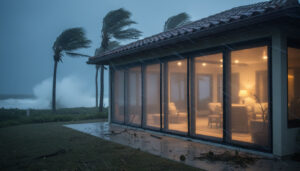
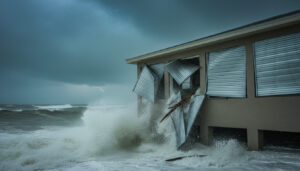
Hurricane screens are engineered fabric barriers mounted in aluminum tracks that absorb and redistribute wind pressure across your windows and doors during severe storms. The woven mesh material, typically made from high-strength polyethylene or Kevlar-reinforced fibers, flexes under impact while maintaining structural integrity to prevent glass breakage and water intrusion. Understanding how hurricane screens work helps homeowners make informed decisions about protecting their property without compromising visibility or home aesthetics between storm seasons.
The Growing Need for Flexible Storm Protection
Coastal communities face increasing pressure to protect homes from hurricane-force winds and flying debris. Traditional rigid barriers offer strong protection but often create installation challenges, storage problems, and aesthetic concerns. Many homeowners delay protection upgrades because they fear permanent changes to their home’s appearance or worry about the physical demands of deploying heavy panels before a storm arrives.
Screen-based systems emerged as an answer to these concerns. They combine engineering strength with practical usability, meeting stringent building codes while remaining nearly invisible when not deployed. For properties with large window expanses, multiple stories, or architectural features that make solid shutters impractical, fabric screens provide code-compliant protection without the bulk.
The Engineering Behind Screen-Based Wind Protection
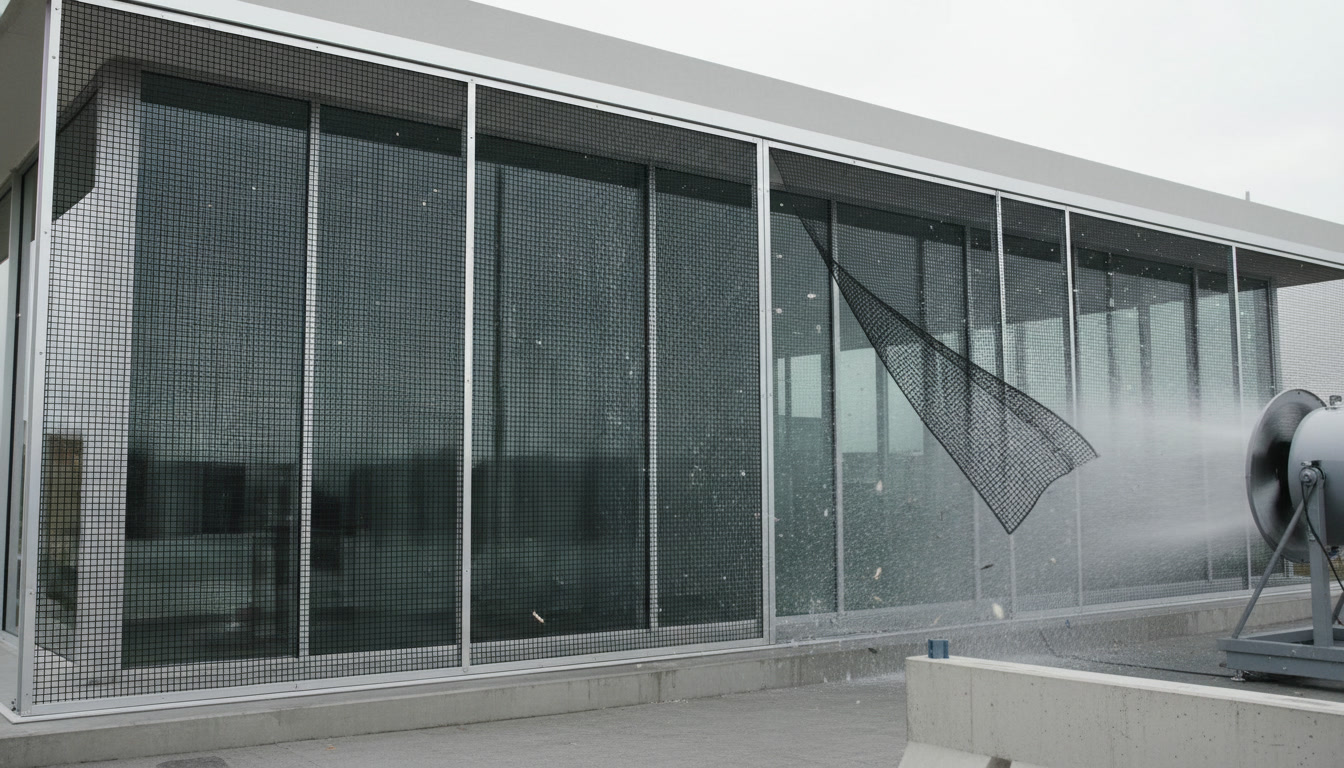
The protective power of hurricane screens lies in their engineered flexibility. Unlike rigid barriers that resist wind force through sheer strength, fabric screens absorb impact energy by flexing and stretching within controlled limits. The woven material creates millions of tiny air passages that reduce wind pressure while maintaining a barrier against debris.
High-performance screens are woven from monofilament yarns with tensile strengths exceeding 400 pounds per square inch. The weave pattern matters as much as the material. Most hurricane-rated screens use a tight basket weave or lock-stitch pattern that prevents tear propagation. If a single fiber breaks under impact, the surrounding weave structure contains the damage and maintains overall barrier integrity.
The aluminum track system that frames each screen serves as the structural anchor. Tracks are engineered to specific load ratings and must be mounted directly into wall studs or concrete block, not just exterior trim. When properly installed, the track transfers wind loads into the building structure rather than stressing the window frame itself.
Impact Resistance and Debris Protection
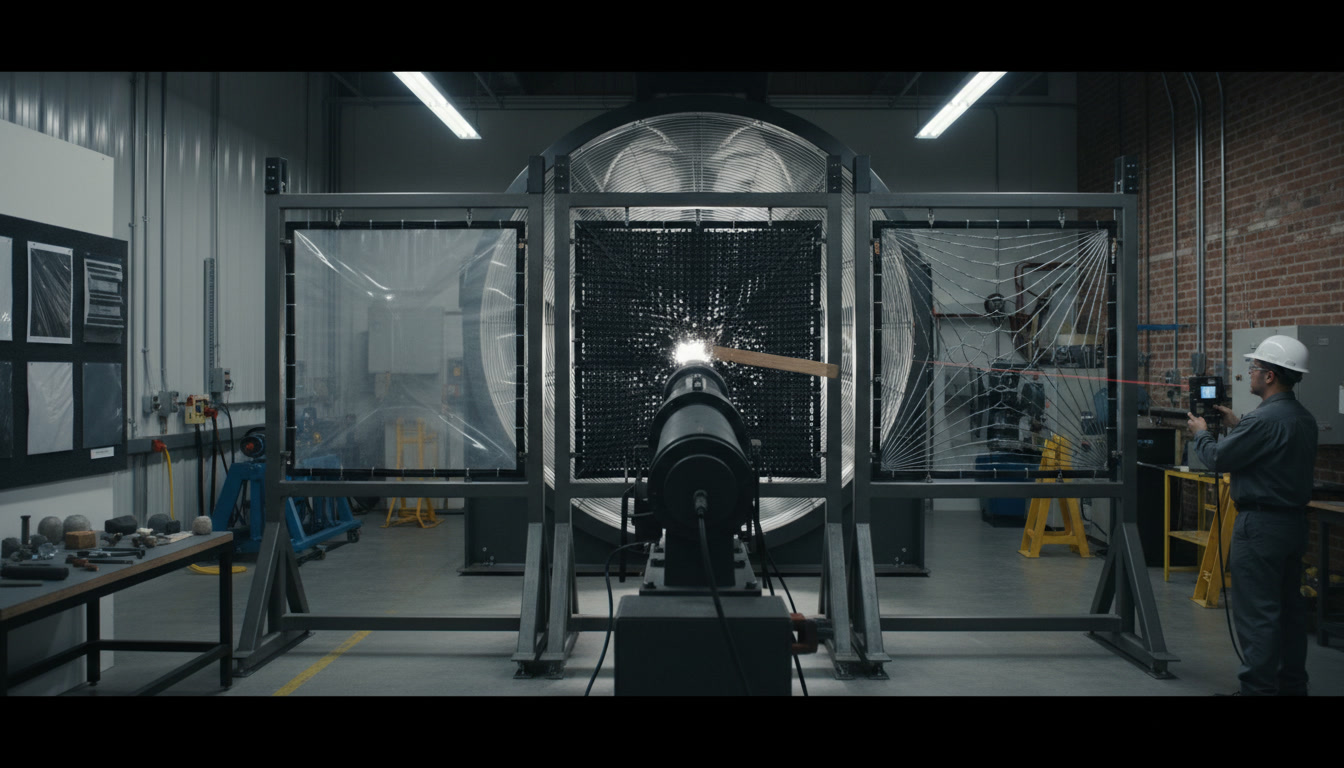
Hurricane screens must pass large missile impact testing to earn code approval. Testing protocols shoot a nine-pound 2×4 lumber section at the screen at 50 feet per second, simulating debris carried by 150 mph winds. The screen must stop the projectile and maintain its position in the track system without tearing or dislodging.
The fabric absorbs impact through controlled deformation. When debris strikes the screen, the material stretches to create a pocket that catches and slows the projectile. The energy dissipates across the entire screen surface rather than concentrating at the impact point. This distribution prevents puncture while keeping the missile from reaching the glass behind it.
Small missile testing follows similar principles but uses different projectiles. Gravel, roof tiles, and other small debris get propelled at higher velocities to simulate realistic storm conditions. Screens that pass both large and small missile tests provide comprehensive protection against the full range of hurricane debris hazards.
Water Intrusion Prevention During Storm Surge
While wind and debris protection grab headlines, water intrusion causes substantial damage during hurricanes. Hurricane screens create a barrier that reduces water penetration around windows and doors, particularly during wind-driven rain that would otherwise force water past standard weatherstripping.
The mesh allows some water passage, but the tight weave breaks up the force of driving rain. Water that does pass through arrives as a fine mist rather than a pressurized stream. This reduction in water velocity prevents the hydraulic pressure that would otherwise force water past seals and into wall cavities.
Screens also protect the glass itself from water impact. During severe storms, rain droplets driven by 100+ mph winds strike surfaces with enough force to crack or pit glass. The fabric barrier intercepts these droplets before they reach the window, extending the life of your glass and reducing long-term maintenance costs.
Comparing Screen Types and Performance Ratings
Not all hurricane screens offer identical protection. Systems are rated for specific wind zones and design pressures. Understanding these ratings helps you select appropriate protection for your location.
Standard polyethylene screens typically handle wind speeds up to 140 mph and meet code requirements for most coastal residential applications. These screens offer excellent value and proven performance in typical hurricane conditions.
Kevlar-reinforced screens provide higher impact resistance and can be rated for wind speeds exceeding 180 mph. Properties in high-velocity hurricane zones or areas with strict building codes often require this enhanced protection level.
Solar shade hybrids combine hurricane protection with everyday sun control. These screens remain deployed year-round, reducing cooling costs while standing ready for storm season. The dual-purpose design eliminates deployment concerns but typically costs more than storm-only systems.
Performance ratings include design pressure numbers that indicate the pounds per square foot the screen can withstand. A screen rated to DP50 handles 50 pounds per square foot of wind pressure, equivalent to roughly 155 mph sustained winds. Your specific requirements depend on your local building codes and wind zone designation.
Deployment Methods and Track Systems
Hurricane screens mount in several configurations depending on your protection needs and property layout. The track system determines how quickly you can deploy protection and how the screens store when not in use.
Fixed track systems permanently frame each opening. The screen rolls up into a compact housing at the top of the window or door, similar to a roller shade. Deployment involves pulling the screen down and securing it into the bottom track. One person can typically deploy a standard window screen in under two minutes.
Removable track systems allow complete removal of the screen fabric between hurricane seasons. Side tracks remain permanently mounted, but the screen fabric and its roller tube detach for storage. This approach works well for homeowners who prefer completely clear openings during non-storm months.
Motorized systems eliminate manual deployment entirely. A small electric motor unrolls the screen at the push of a button, with battery backup ensuring operation during power outages. For multi-story applications or homeowners with mobility limitations, motorized deployment removes physical barriers to protection.
Installation Requirements in Wilmington and Coastal Areas
Proper installation determines whether hurricane screens perform as designed. Mounting requirements vary based on wall construction, opening size, and local wind loads. In Wilmington and surrounding coastal communities, installation must meet North Carolina building codes for hurricane protection systems.
Concrete block construction allows direct mounting into the block structure using specialized anchors rated for required pull-out loads. Each track segment typically requires anchors every 12 to 18 inches, with closer spacing for larger openings or higher design pressures.
Wood frame construction demands careful attention to stud location and anchor selection. Tracks must mount into solid framing members, not just exterior sheathing or trim boards. For openings that don’t align with standard stud spacing, installers add blocking between studs to create proper mounting surfaces.
Seacoast Systems Inc verifies structural adequacy before every installation, ensuring your wall construction can support the specified screen system under design wind loads. This structural review prevents installation failures and ensures code compliance.
Maintenance Practices That Extend Screen Life
Hurricane screens require minimal maintenance compared to mechanical shutter systems, but regular care ensures reliable performance when storms approach. Most manufacturers recommend annual inspection and cleaning to prevent premature wear.
Clean screens with mild soap and water, avoiding harsh chemicals that can degrade the fabric coating. A soft brush removes salt buildup and debris from the weave. Pay attention to the roller mechanism and tracks, removing sand and dirt that could interfere with smooth operation. Silicone-based lubricants keep zippers and tracks operating smoothly without attracting additional dirt.
Inspect the fabric for tears, fraying, or UV damage each season. Small damage spots can often be repaired with manufacturer-approved patch kits before they compromise the entire screen. Check mounting hardware for loose fasteners or corrosion, particularly on exposed coastal properties where salt air accelerates metal deterioration.
The tracks themselves need periodic inspection for deformation or damage. Even minor bends or dents can prevent proper screen engagement, creating gaps that reduce protection. Address track damage immediately rather than waiting until deployment becomes difficult.
Cost Factors and Long-Term Value
Hurricane screen pricing reflects several variables including opening size, screen material, track configuration, and installation complexity. Understanding these factors helps you budget appropriately and compare systems fairly.
Material costs vary based on screen rating and weave type. Standard residential screens typically cost less per square foot than high-performance Kevlar systems. Larger openings benefit from economies of scale, with per-unit costs decreasing as you protect more windows.
Installation complexity affects total project cost. Ground-floor windows with straightforward wall construction install faster than second-story openings or locations requiring specialized mounting solutions. Properties with stucco or brick exteriors may need additional preparation compared to vinyl siding installations.
Long-term value extends beyond storm protection. Insurance companies in coastal areas often provide premium discounts for certified hurricane protection, potentially offsetting system costs over time. Many homeowners also find that hurricane screens increase property value and appeal to buyers seeking move-in-ready storm protection.
How Screens Compare to Other Protection Methods
Choosing between hurricane screens and alternative protection systems depends on your priorities, budget, and property characteristics. Each option offers distinct advantages for different situations.
Compared to rigid panel systems, screens eliminate storage concerns and reduce deployment weight. A large window that requires two people to lift and secure a metal panel can often be protected by one person deploying a screen in minutes. Screens also maintain some visibility and natural light during storms, while solid panels create complete darkness.
Roll-down shutters offer similar convenience to screen systems but at higher cost. The solid slat construction provides complete light blockage and security benefits between storms, making them popular for security-conscious homeowners. Screens cost less initially but don’t provide the same security deterrent when deployed daily.
Accordion shutters permanently frame each opening like screens but use rigid slats that fold away when not needed. They’re extremely durable and provide excellent security, but the visible track system affects home appearance more than low-profile screen housings. For homeowners who prioritize aesthetics alongside protection, screens often win this comparison.
Protection You Can Count On When Storms Approach
Hurricane screens deliver code-compliant protection through engineered fabric that flexes under impact while maintaining barrier integrity against wind, debris, and water intrusion. The combination of high-strength materials, proper installation, and reliable track systems creates storm protection that’s both effective and practical for coastal homeowners. Understanding the science behind these systems helps you appreciate why they’ve become a trusted solution for properties from single-family homes to large commercial buildings.
When you’re ready to protect your home with professionally installed hurricane screens, Seacoast Systems Inc brings over 15 years of coastal protection experience to every project. Our team handles everything from initial assessment and permit coordination to expert installation and ongoing support. Call (910) 763-6679 to schedule a free consultation and discover which screen system best fits your property and protection needs.