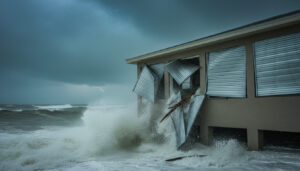
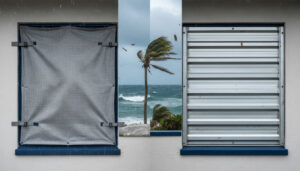
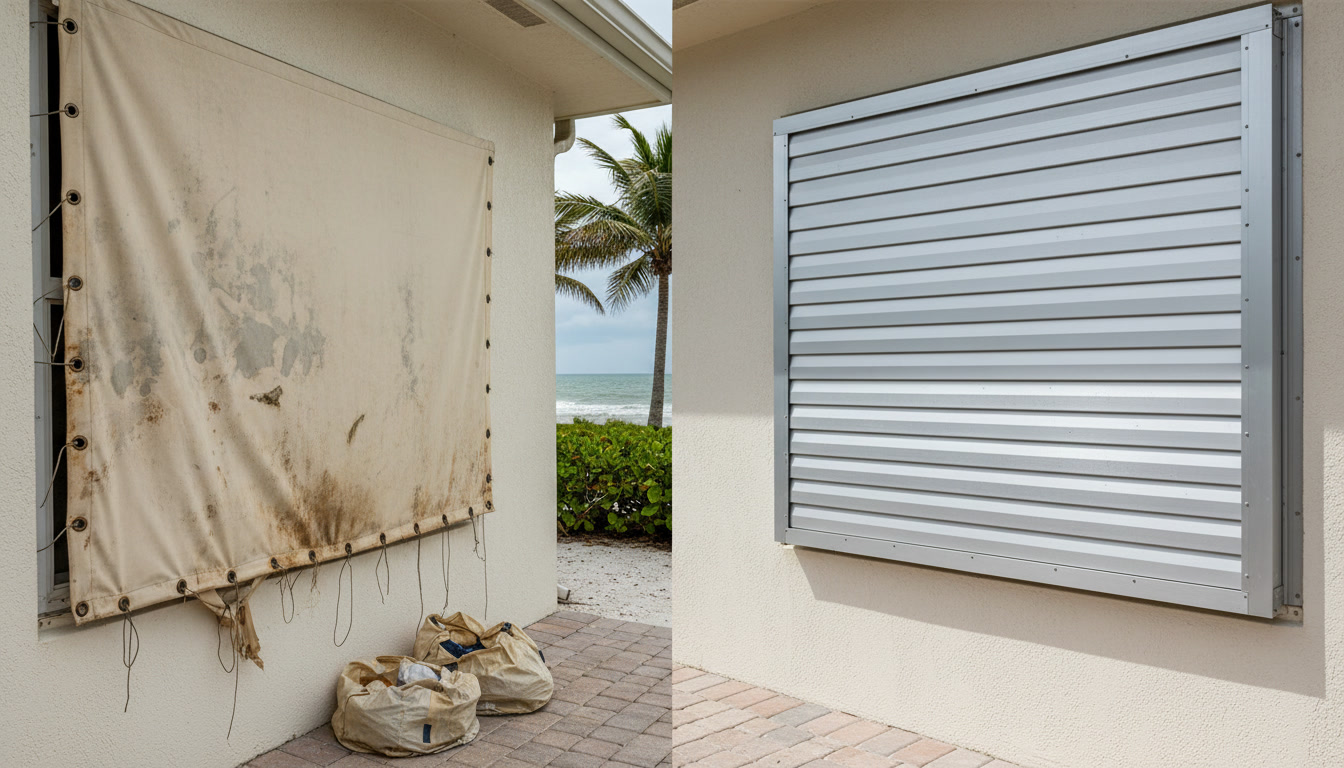
The fabric vs hard shutters debate centers on three critical performance factors: impact resistance, wind pressure handling, and long-term durability. Fabric hurricane screens use engineered textile materials that flex under pressure, while hard shutters rely on rigid materials like aluminum, steel, or polycarbonate to deflect wind and debris. Both systems can meet Miami-Dade County testing standards when properly rated, but they protect your home through fundamentally different mechanisms that affect installation, maintenance, and cost.
Why Material Choice Matters for Coastal Storm Protection
Your shutter material determines how your home withstands hurricane-force winds and flying debris. Hard shutters create a solid barrier that blocks wind entirely, while fabric systems allow controlled air filtration while stopping projectiles. This difference affects not just storm performance but also how you use your windows between storms and how long the system lasts in salt air environments.
Coastal homes face unique challenges beyond inland properties. Salt spray corrodes metal components, UV exposure degrades materials year-round, and frequent deployment cycles test mechanical parts. The shutter material you choose must handle these ongoing stresses, not just survive a single storm event.
How Fabric Hurricane Screens Perform Under Storm Conditions
Fabric hurricane screens use woven materials like Kevlar, polyester, or PVC-coated yarns tensioned across window and door openings. These screens meet impact resistance standards by absorbing and distributing the energy from flying debris across the entire fabric surface rather than concentrating force at a single point.
The engineered weave allows up to 25% air permeability in most systems, which prevents pressure buildup inside your home during a storm. This ventilation reduces the risk of roof uplift and structural damage from differential pressure. When a 2×4 board traveling at 50 mph strikes a properly rated fabric screen, the material flexes backward, decelerates the projectile, and returns to its original position without tearing.
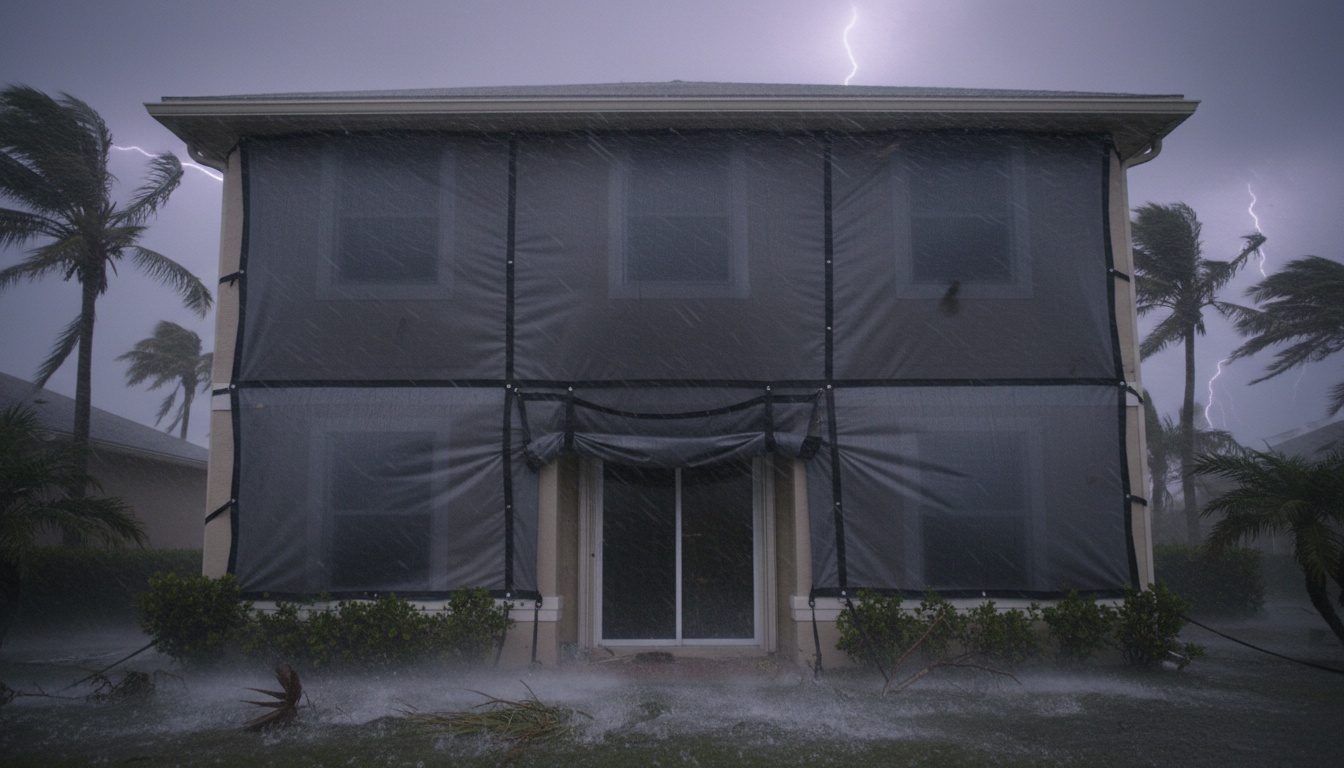
Modern fabric systems achieve impact ratings equivalent to hard shutters through advanced textile engineering. However, the fabric itself has a finite lifespan. Most manufacturers warranty their screens for five to ten years, with actual service life depending on UV exposure and salt air concentration. You’ll need to budget for eventual fabric replacement even if the frame and track system remain sound.
Hard Shutter Performance and Material Strength
Hard shutters use aluminum, steel, or reinforced polycarbonate panels that create an impenetrable barrier when deployed. These materials don’t flex under impact. Instead, they deflect debris and distribute wind loads through their structural strength and mounting system. A properly installed aluminum panel rated for 150 mph winds will not deform or fail when struck by large airborne objects.
The thickness and gauge of hard shutter materials directly determine their performance rating. Residential aluminum shutters typically use 18- to 22-gauge material, with lower numbers indicating thicker, stronger panels. Steel shutters offer greater impact resistance but add significant weight and require corrosion protection in coastal environments.
Hard shutters completely block light and air when deployed, which means you cannot see outside or ventilate your home during a storm. This creates interior darkness that requires artificial lighting and can contribute to heat buildup if power fails. For extended storm events lasting multiple days, this lack of ventilation becomes a practical consideration beyond pure protection performance.
Testing Standards Both Materials Must Meet
Both fabric and hard shutters sold for hurricane protection must pass the same testing protocols in high-wind zones. The Florida Building Code references ASTM E1996 and E1886 standards, which simulate large and small missile impacts followed by cyclic pressure testing that mimics sustained hurricane winds.
The large missile test fires a nine-pound 2×4 lumber piece at the shutter surface at speeds up to 50 mph, depending on the design pressure rating. The small missile test launches ten steel ball bearings at various points across the shutter. After impact testing, the assembly must withstand 9,000 cycles of positive and negative pressure without failure.
When you review product specifications, look for the design pressure rating expressed in pounds per square foot. A rating of DP 50 means the system can withstand 50 pounds of pressure per square foot, equivalent to sustained winds around 175 mph. Both fabric and hard systems can achieve identical DP ratings, which means they offer equivalent protection on paper.
Comparing Installation Requirements and Deployment Speed
Hard shutters require substantial mounting hardware anchored into the structural frame around each opening. Understanding how different shutter systems attach to your home helps you plan for installation impact. Accordion and rolling shutters mount permanently to the building exterior, while panel systems need track installation plus storage space for the panels themselves.
Fabric screens mount to similar track systems but involve less weight and bulk. A typical fabric screen for a 6-foot sliding door weighs 15 to 20 pounds and deploys in under two minutes by unrolling from a housing and securing the bottom rail. The same opening protected by aluminum panels might require three separate panels weighing 25 pounds each, with individual latching points that take longer to secure.
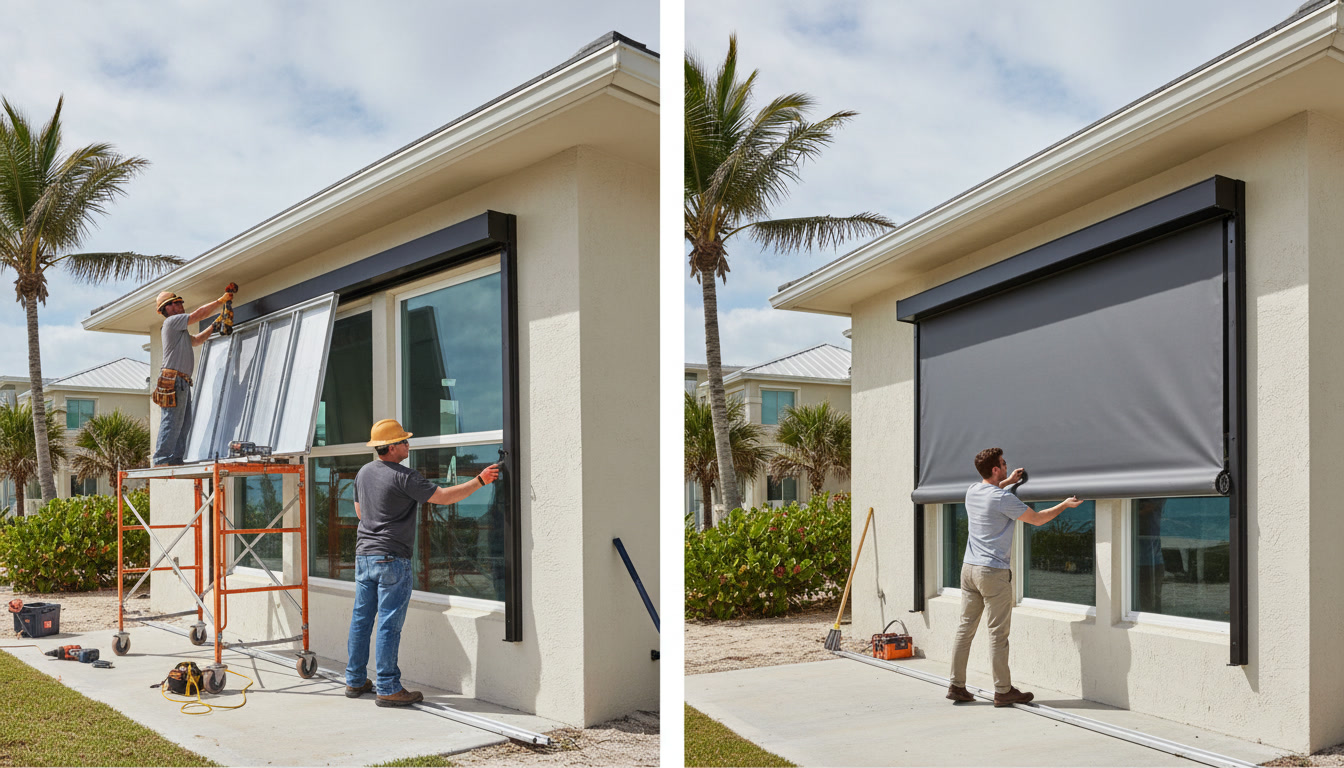
Deployment speed matters when storm forecasts change rapidly. If you need to protect your home with only a few hours’ notice, lighter fabric systems offer an advantage for single-person deployment. Hard panel systems often require two people for safe handling, especially on second-story windows.
Long-Term Durability in Salt Air and Sun
Aluminum hard shutters resist corrosion through anodizing or powder-coat finishes, but these protective layers can chip or wear through at contact points and edges. Once bare aluminum is exposed to salt spray, pitting corrosion begins. Quality aluminum shutters in coastal environments typically last 15 to 20 years before showing significant deterioration, though track mechanisms may need maintenance or replacement sooner.
Steel shutters require more aggressive corrosion protection, usually galvanizing plus powder coating. Even with these treatments, steel components in direct salt air exposure need regular inspection and touch-up to prevent rust. Polycarbonate hard shutters avoid metal corrosion entirely but can yellow and become brittle after years of UV exposure.
Fabric systems face different durability challenges. The textile material itself degrades under constant UV bombardment, losing tensile strength over time. Most fabric manufacturers recommend replacement after seven to ten years in full sun exposure, sooner if the screens remain deployed frequently. The frame and track components, typically aluminum or stainless steel, generally outlast the fabric itself.
Storage and Aesthetic Considerations Between Storms
Hard panel shutters require dedicated storage space when not deployed. A typical home might need 20 to 30 individual panels stored in a garage, shed, or under-house area where they won’t corrode or get damaged. This storage requirement is permanent, you cannot simply discard the panels after each season.
Accordion and rolling hard shutters remain permanently visible on your home’s exterior. While manufacturers offer color options, these systems undeniably change your home’s appearance. Some homeowners appreciate the visible storm protection, while others consider it an aesthetic compromise.
Fabric screens retract into compact housing boxes mounted above windows or into side channels barely wider than the window frame. When retracted, most systems are nearly invisible from street level. This low-profile design appeals to homeowners in historic districts or those maintaining specific architectural styles. Choosing a system that fits your home’s design requires balancing protection needs with appearance preferences.
Cost Analysis and Return on Investment in Wilmington
Initial installation costs vary significantly based on shutter type and home size. Fabric screen systems typically cost $15 to $25 per square foot of protected opening, while hard shutter systems range from $10 to $35 per square foot depending on material and style. Rolling aluminum shutters generally represent the highest upfront cost, while panel systems offer the lowest entry price for hard shutters.
However, true cost comparison must include lifecycle expenses. Fabric screens require periodic replacement, adding $8 to $15 per square foot every seven to ten years. Hard shutters need less frequent replacement but may require track repairs, motor replacements on powered systems, or refinishing to address corrosion. When you calculate total cost over 20 years, the materials often reach near parity.
Insurance premium reductions offset some installation costs. Most carriers in Wilmington and surrounding coastal areas offer discounts ranging from 8% to 15% on wind coverage when you install certified hurricane protection. The exact discount depends on your shutter type, coverage rating, and whether you protect all openings or just specific exposures. Verified ratings and certifications determine which discounts apply to your specific installation.
Maintenance Requirements Over Time
Hard shutters need annual inspection of mounting hardware, track alignment, and surface condition. Aluminum tracks collect sand and salt residue that must be cleaned out to ensure smooth operation. Moving parts like hinges, latches, and rolling mechanisms require lubrication with marine-grade products that resist salt water contamination.
After each deployment, you should rinse hard shutters with fresh water to remove salt deposits. This simple step significantly extends the life of powder-coat finishes and prevents corrosion from starting. For motorized systems, you’ll need to test the motors periodically and keep backup manual operation tools accessible.
Fabric screens require similar track cleaning but add fabric care to the maintenance schedule. You should periodically unroll the fabric and rinse it with fresh water, allowing it to dry completely before retracting. This prevents mildew growth in the rolled configuration and washes away salt that accelerates UV degradation. Never retract a wet fabric screen, as moisture trapped in the roll promotes mold and material breakdown.
Which Material Handles Specific Coastal Challenges Better
For homes directly on the beachfront with constant salt spray exposure, fabric systems often prove more practical. The fabric itself is replaced periodically anyway, so salt-induced degradation becomes a scheduled maintenance item rather than an unexpected failure. The minimal metal components, usually stainless steel or marine-grade aluminum in quality systems, resist corrosion better than the extensive track systems required for heavy hard panels.
Hard shutters excel in applications where physical security matters beyond storm protection. Aluminum or steel panels deter break-ins and provide privacy when homeowners travel during off-season months. This dual-purpose functionality adds value that fabric screens cannot match, as the textile materials offer no significant security benefit against forced entry.
For large openings like lanais or expansive sliding glass walls, fabric systems provide protection without the structural load that heavy hard shutters impose. A 20-foot opening might require eight individual aluminum panels weighing over 200 pounds total, creating significant mounting stress on the building structure. The equivalent fabric screen might weigh 40 pounds and distribute its wind loads more evenly across the mounting points.
Making the Right Protection Choice for Your Home
Neither material universally outperforms the other across all metrics. Your best choice depends on your specific priorities: budget constraints, aesthetic preferences, physical ability to deploy shutters, storage availability, and how you use your home during storm season. Many coastal homeowners ultimately install hybrid systems, using fabric screens on large living areas for ease of deployment and hard shutters on smaller windows where panel storage isn’t prohibitive.
The most important factor is ensuring whatever system you choose carries proper certification for your wind zone and that installation follows manufacturer specifications exactly. Improper installation negates even the highest-rated shutter materials. Work with experienced installers who understand coastal building codes and can provide documentation for insurance and permitting requirements.
Seacoast Systems Inc has protected coastal properties throughout the Wilmington region for over 15 years, installing both fabric and hard shutter systems matched to each home’s specific needs. Our experience across barrier islands and inland areas gives us insight into which materials perform best in different microenvironments, from oceanfront salt exposure to sheltered canal locations. If you’re weighing protection options for your coastal home, we can assess your specific situation and recommend the system that offers the best combination of performance, durability, and value. Call (910) 763-6679 to schedule a consultation and review certified options for your property.