Hurricane shutters create a protective barrier over windows and doors using impact-resistant materials that deflect wind-borne debris and maintain structural pressure during severe weather. Understanding how hurricane shutters work helps homeowners make informed decisions about protecting their property from coastal storms and hurricanes that regularly threaten our region.
The Critical Role of Window Protection During Severe Weather
Windows represent the most vulnerable points in your home’s exterior envelope during a hurricane. When a single window breaks during a storm, interior pressure increases dramatically, creating an outward force on your roof and walls. This pressure differential can lift roofs completely off structures or cause walls to buckle outward. Beyond structural concerns, broken windows allow wind-driven rain to saturate interiors, destroying belongings and creating long-term moisture problems that lead to mold and rot.
The force exerted by hurricane winds increases exponentially with wind speed. A Category 3 hurricane with 120 mph winds generates more than double the pressure of a Category 1 storm at 85 mph. Your windows must withstand not just the wind itself, but also airborne projectiles traveling at those speeds. A piece of lumber becomes a deadly missile in 100 mph winds, capable of penetrating standard glass and compromising your home’s integrity in seconds.
Understanding Storm Protection in Wilmington and Coastal Communities
Coastal North Carolina faces unique storm challenges due to its geographic position. Wilmington sits less than 30 feet above sea level and lies within high-risk hurricane zones that see major storms every few decades. The 2018 hurricane season reminded thousands of residents why proper preparation matters. Homes equipped with quality storm protection sustained significantly less damage than unprotected properties in the same neighborhoods.
Building codes in coastal areas now require enhanced wind ratings for new construction, but older homes often lack adequate protection. Retrofitting existing structures with proper shutters provides the defense these homes need without requiring complete window replacement. The investment in storm protection typically costs a fraction of the deductible you would pay after hurricane damage.
The Engineering Behind Impact-Resistant Barriers
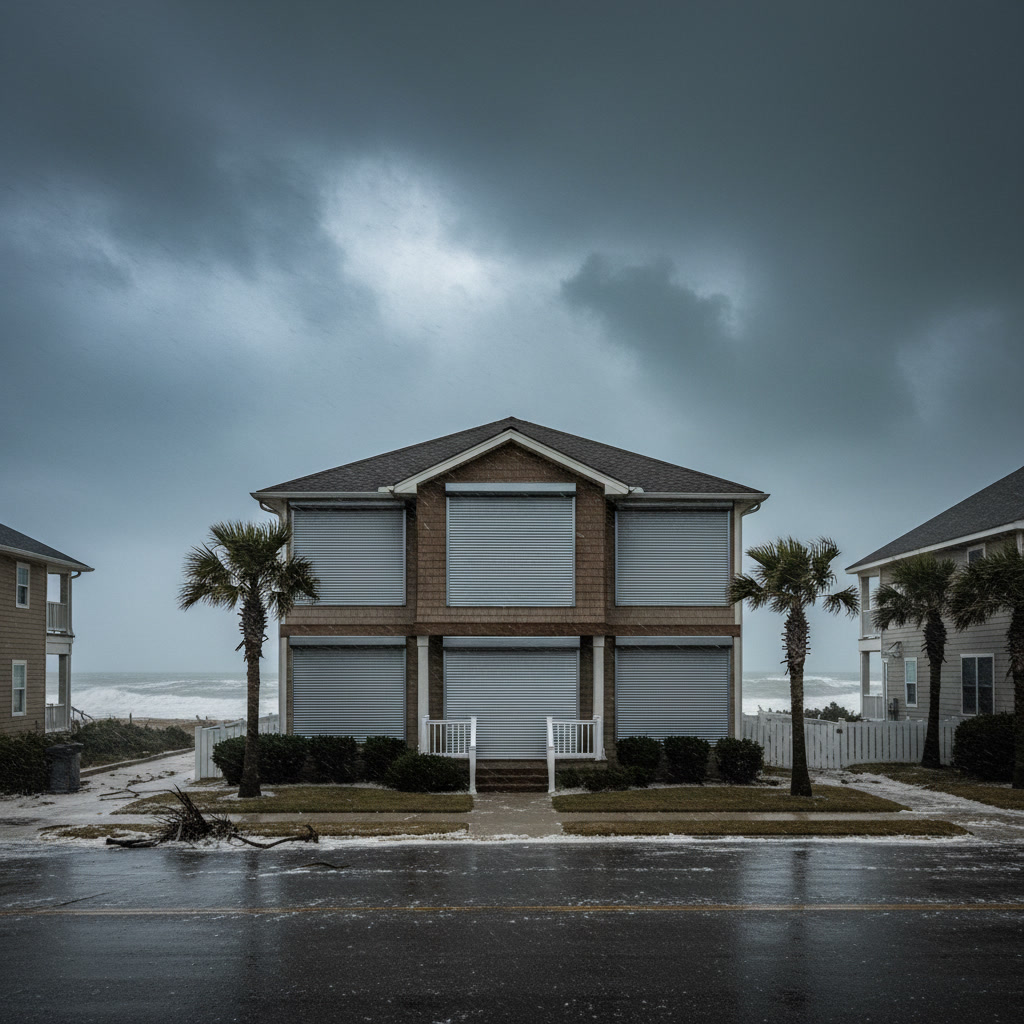
Quality hurricane shutters use materials and designs tested to withstand specific wind pressures measured in pounds per square foot. Engineers calculate these loads based on wind speed, building height, and exposure category. A properly rated shutter for coastal exposure must resist both positive pressure from direct wind and negative suction pressure that tries to pull the shutter away from the building.
The materials themselves vary by shutter type, but all share common characteristics. Aluminum shutters typically use 3003-grade alloy in thicknesses ranging from 0.032 to 0.050 inches, providing strength without excessive weight. Steel options offer maximum security but require proper coating to prevent corrosion in salt air environments. Polycarbonate and composite materials combine impact resistance with lighter weight, though they may yellow or degrade faster under constant sun exposure.
Attachment points matter as much as the shutter material itself. A shutter is only as strong as its connection to your home’s structure. Quality installations anchor into structural framing, not just exterior sheathing or siding. Track systems and mounting brackets must meet the same wind-load ratings as the shutters they support, creating a complete protective system.
Permanent Versus Temporary Installation Systems
Hurricane protection falls into two broad categories based on installation permanence. Temporary systems like panel shutters require installation before each storm, while permanent systems remain in place year-round or deploy quickly when needed. Each approach offers distinct advantages depending on your priorities and property characteristics.
Permanent systems provide convenience and ensure protection is always available, even if a storm approaches with little warning. Many modern designs integrate into your home’s appearance rather than detracting from curb appeal. Temporary systems cost less initially and allow unobstructed views and ventilation during calm weather, but they demand proper storage space and physical ability to install them under time pressure as a storm approaches.
Roll-Down Systems and Their Deployment Mechanism
Roll-down shutters house a curtain of interlocking aluminum slats in a compact housing box mounted above each window or door. When deployed, the curtain unrolls downward along side tracks until it reaches the windowsill, where it locks into place. The interlocking slat design provides strength while allowing the curtain to curve smoothly around the housing drum.
Manual systems use a strap or crank mechanism that requires no electricity, ensuring functionality during power outages. Motorized versions offer push-button convenience and can be integrated with home automation systems. Some models include battery backup systems that maintain operation even when grid power fails. The side tracks guide the curtain and provide crucial lateral support against wind pressure, preventing the shutter from bowing or separating.
Accordion Shutter Operation and Strength Distribution
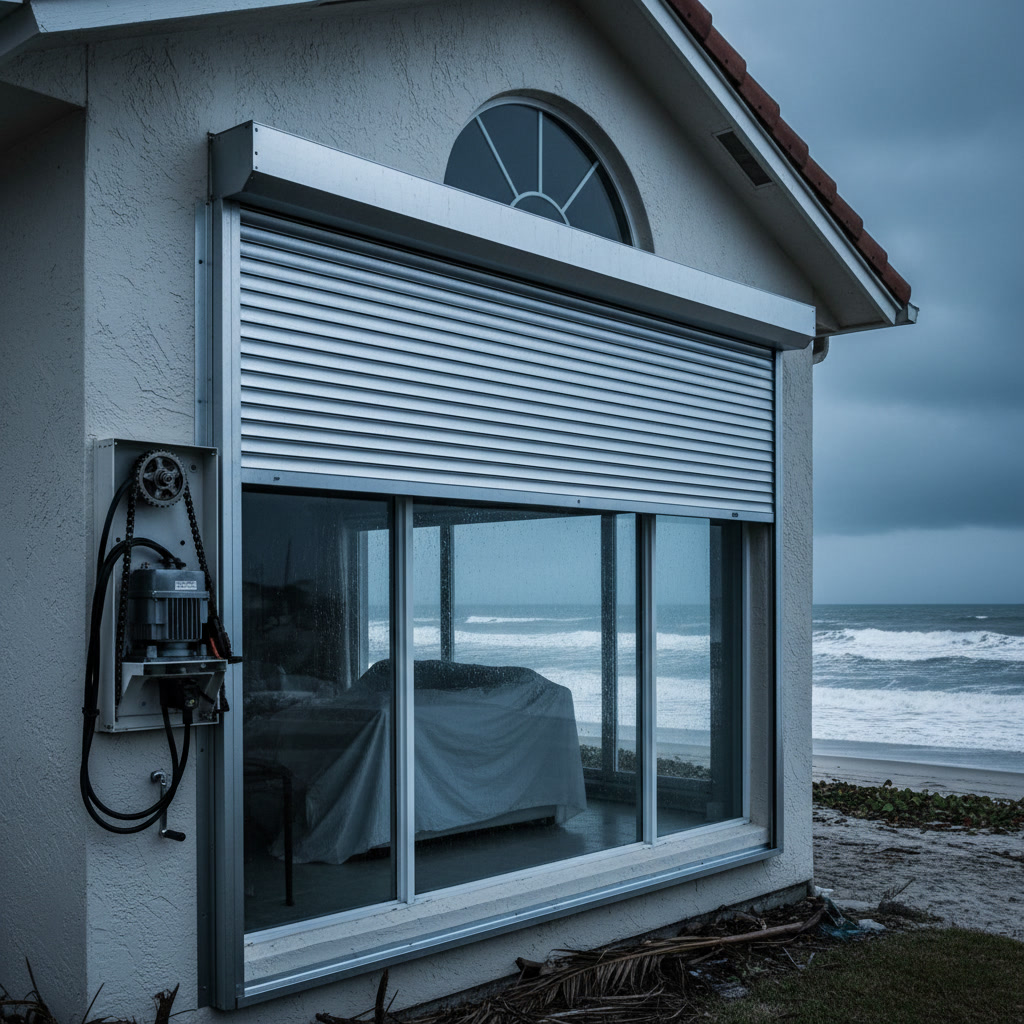
Accordion shutters stack compactly at the sides of windows when open, unfolding horizontally across the opening when you need protection. The hinged panels connect in a continuous chain, allowing smooth deployment by one person in most cases. A locking bar runs vertically through the center, securing the shutter and distributing wind loads across the entire panel surface.
The strength of accordion designs comes from their corrugated profile. The vertical ridges create structural depth similar to an I-beam, providing rigidity without solid mass. When locked, the shutter forms a rigid barrier that transfers wind loads to the mounting points at both sides of the opening. Quality units include multiple locking points that engage automatically as you close the shutter, eliminating the possibility of forgotten or improperly secured sections.
Fixed Louvered Options for Continuous Airflow
Bahama and colonial shutters mount as permanent architectural features that provide both storm protection and daily benefits. Bahama shutters project outward at an angle from the top hinge, creating shade and controlling light while remaining partially open. When a storm threatens, you lower them completely to cover the window. The angled design naturally sheds wind-driven rain and debris.
Colonial shutters mount in pairs that swing shut over the window, latching at the center. Their traditional appearance complements historic and coastal architecture while providing tested hurricane protection. Both styles use the shutter material itself as the protective barrier, rather than deploying a separate curtain or panel. This means the shutters must maintain structural integrity year-round despite constant exposure to sun, salt, and moisture.
Screen-Based Systems and Flexible Fabric Technology
Hurricane screens represent newer technology that uses tensioned fabric instead of rigid materials. The screen material is woven from high-strength synthetic fibers that absorb and dissipate impact energy rather than resisting it with hardness. When debris strikes a screen, the fabric flexes and spreads the force across a wide area, preventing penetration while allowing the object to fall away.
These systems mount in tracks or attach to anchors using tension cables or rigid frames. The screening allows light and air passage while providing protection, making them practical for enclosing large areas like porches or lanais. The fabric weighs considerably less than metal shutters, reducing installation labor and structural load on mounting surfaces. Screen systems also block a significant percentage of wind-driven rain, keeping covered areas relatively dry even during the storm.
Rating Standards and Testing Protocols You Should Know
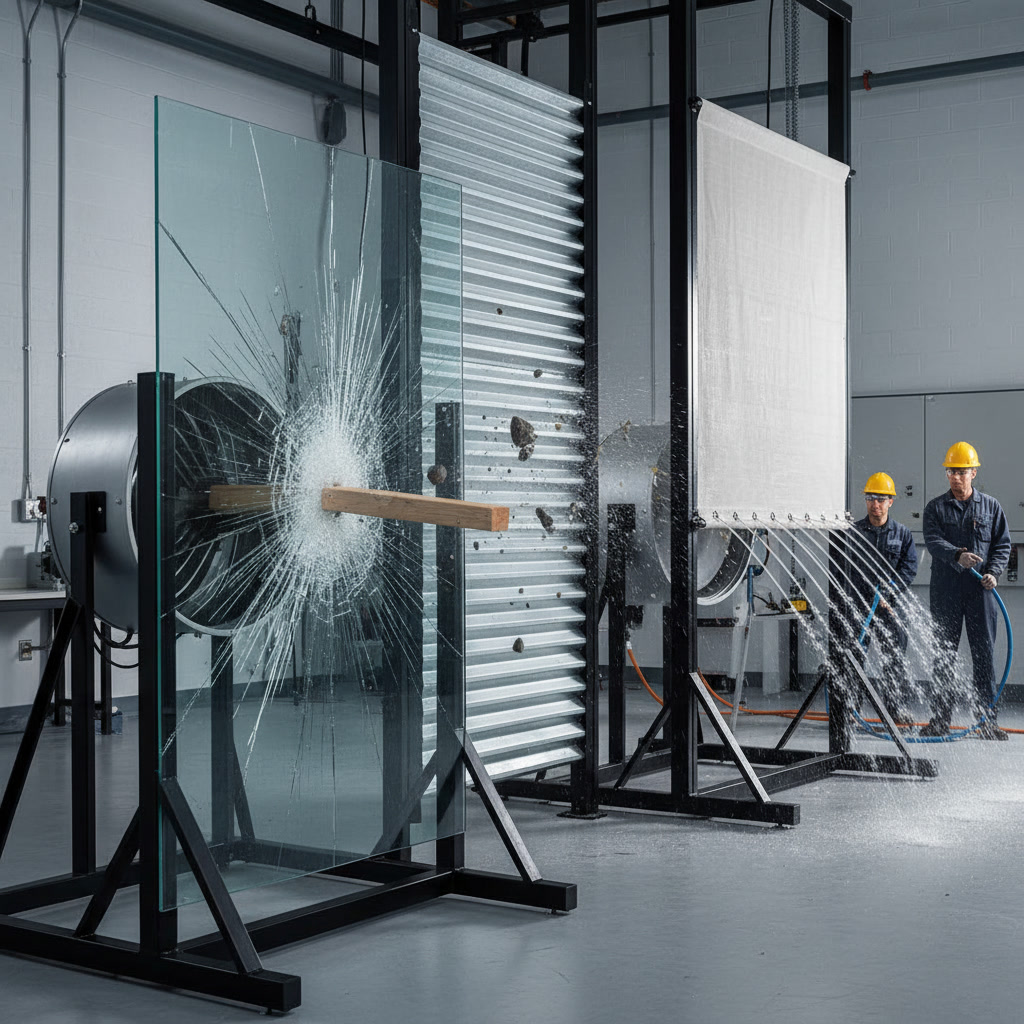
The Miami-Dade County product approval system sets the benchmark for hurricane protection testing. Products must withstand large missile impacts, small missile impacts, and cyclic pressure loading that simulates sustained hurricane winds. Large missile tests shoot a nine-pound 2×4 lumber section at 50 feet per second into the shutter. Small missile tests pelt the surface with roofing gravel at 80 feet per second.
After impact testing, the shutter must survive 9,000 cycles of positive and negative pressure without failure. This simulates hours of hurricane-force winds buffeting the structure from changing directions. Products that pass receive approval ratings specifying the design pressure they can withstand, typically ranging from 30 to 80 pounds per square foot for residential applications. Your specific location and building characteristics determine which rating you need.
Proper Installation Determines Real-World Performance
Even the highest-rated shutter fails if improperly installed. Mounting fasteners must penetrate into solid framing members, not just sheathing or stucco. Most installations require fasteners every 12 to 18 inches around the opening perimeter, with closer spacing for higher wind zones. The fastener type matters tremendously as well. Stainless steel screws or specialized hurricane anchors resist pullout forces that would extract standard screws.
Professional installers understand substrate variations and adjust techniques accordingly. Concrete block walls, wood framing, and steel studs each demand different fastener types and installation methods. They also recognize when additional reinforcement is needed, such as backing plates that distribute loads across wider areas or structural modifications that strengthen mounting surfaces. Here’s an expert-level insight most homeowners miss: the building’s age and construction quality matter more than the shutter rating in many cases. A top-rated shutter mounted to deteriorated wood or crumbling masonry provides false confidence. Reputable installers assess and address substrate condition before mounting any hardware, sometimes recommending structural repairs as a prerequisite to shutter installation.
Choosing the Right Protection for Your Property
Your ideal shutter type depends on multiple factors beyond just storm protection. Consider how often you’ll use the shutters, whether you need year-round sun control, and your physical ability to deploy manual systems. Homes with many windows benefit from easier deployment systems, even if they cost more initially. Properties in high-crime areas might prioritize security features alongside storm protection.
Architectural compatibility matters for resale value and neighborhood regulations. Some homeowner associations restrict certain shutter types or colors. Historical districts may require specific styles that match the period architecture. Budget plays a role, but remember that quality shutters last 20 to 30 years with minimal maintenance, while cheap systems may need replacement after a single storm. Seacoast Systems Inc works with homeowners throughout coastal North Carolina to match protection systems to specific needs and property characteristics.
Protecting Your Investment Before the Next Storm
Hurricane shutters work by creating engineered barriers that prevent window failure and maintain your home’s structural integrity during severe weather. The right system properly installed provides decades of reliable protection and peace of mind. Different shutter types suit different needs, but all quality options share robust materials, tested designs, and secure mounting that transfers wind loads safely into your home’s structure.
Seacoast Systems Inc has protected coastal homes for over 15 years with proven storm protection solutions. Our team installs shutters designed for Carolina’s unique coastal environment and helps you choose the system that matches your property and priorities. Contact us at (910) 763-6679 to schedule a consultation and protect your home before the next hurricane season.