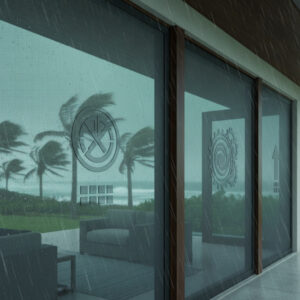
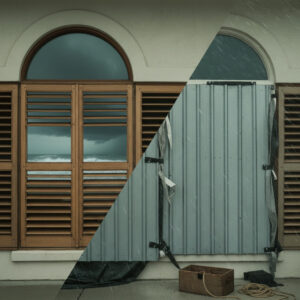
Permanent hurricane shutters stay in place year-round and deploy quickly when storms approach, while temporary shutters require installation before each event. The right choice depends on your storm frequency, budget, physical ability, and how much convenience matters to you. Understanding the trade-offs between permanent vs temporary shutters helps you select the protection system that matches your lifestyle and property needs.
Why Hurricane Protection Matters on the Carolina Coast
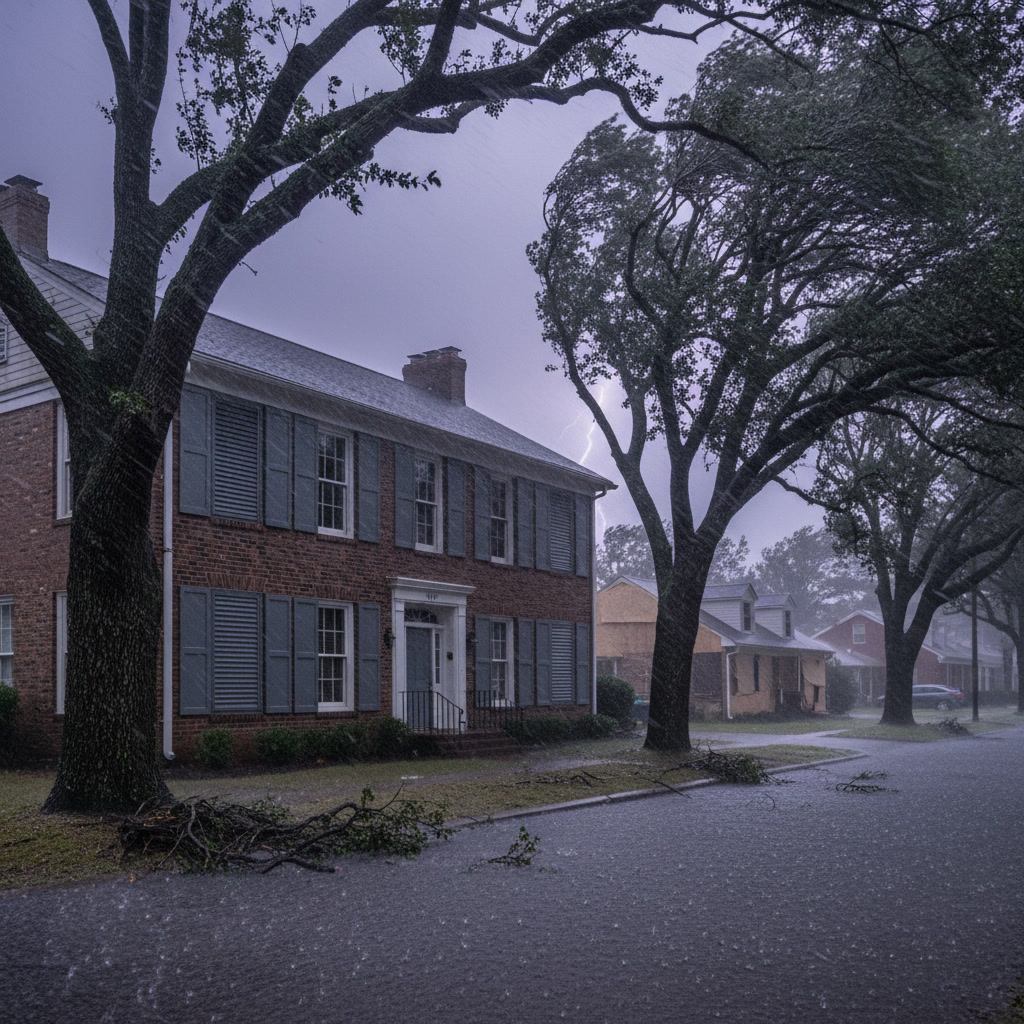
Coastal North Carolina sees its share of tropical weather. The Atlantic hurricane season runs from June through November, and storms can intensify rapidly. Wind speeds above 74 mph turn debris into projectiles that shatter windows and compromise your home’s envelope. Once wind enters through broken glass, internal pressure can lift roofs and cause catastrophic structural damage.
Modern building codes require impact protection in newer construction, but most existing homes lack adequate defenses. Installing shutters before hurricane season begins gives you the ability to secure your property when watches and warnings are issued. The difference between having protection ready and scrambling for plywood can determine whether your home survives intact.
Understanding Your Hurricane Shutter Options
Hurricane shutters fall into two broad categories based on installation method. Temporary systems store away when not needed and go up before storms. Permanent systems remain mounted to your home and close or deploy when danger approaches. Each category includes multiple product types with distinct characteristics.
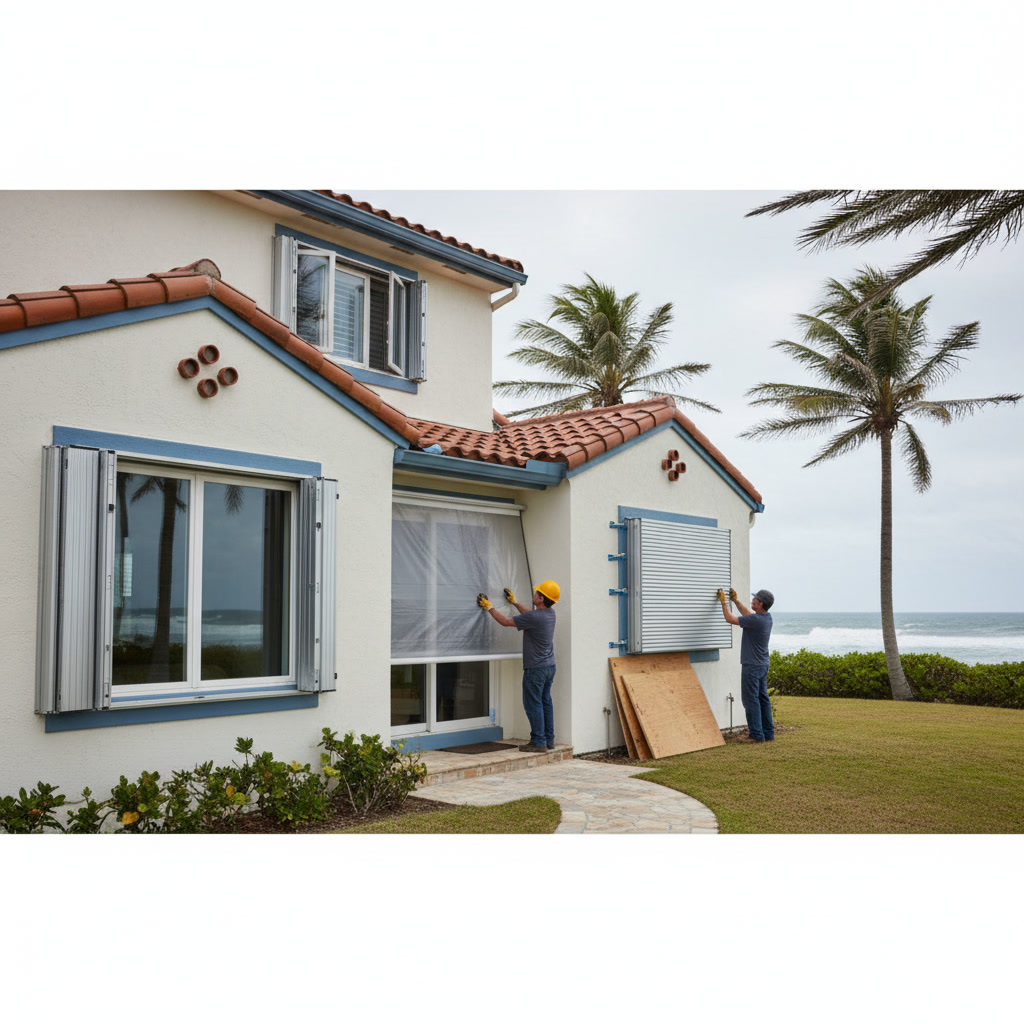
Temporary options include plywood panels, fabric storm panels, and removable metal panels that bolt into place. Permanent options include roll-down shutters, accordion shutters, Bahama shutters, colonial shutters, and hurricane screens. The construction, materials, and deployment method vary significantly across these products, which affects cost, convenience, and aesthetic impact.
How Temporary Hurricane Shutters Function
Temporary shutters require mounting hardware permanently attached to the structure around each window and door. When a storm threatens, you retrieve the panels from storage and secure them to the anchors using bolts, clips, or tracks. Plywood panels are the most basic version, cut to size and fastened with lag bolts into pre-drilled anchor points.
Metal storm panels offer better durability and lighter weight than plywood. Corrugated aluminum or steel panels typically measure 4 feet wide and slide into top and bottom tracks, then lock with wingnuts or pins. Fabric panels use tensioned material in aluminum frames that clip onto wall-mounted tracks. After the storm passes, you remove all components and return them to storage until the next event.
How Permanent Systems Work and Deploy
Permanent shutters stay mounted and ready. Roll-down shutters house in a compact box above the window and lower via manual crank or electric motor. The slats lock together as they descend, creating a solid barrier that guides into side tracks. Understanding how hurricane shutters work helps you appreciate the engineering behind different deployment methods.
Accordion shutters fold against the wall when open and unfold across the opening when needed, latching at the center. Bahama shutters prop open at an angle for shade and swing down flat against the window during storms. Colonial shutters swing closed from the sides and lock at the middle. Hurricane screens mount in tracks and pull across openings like sliding doors, offering protection while maintaining visibility and ventilation.
Direct Comparison of Key Factors
Installation time separates these systems dramatically. Temporary panels require 15 to 45 minutes per window depending on size and complexity. For a home with 20 openings, you might spend six to eight hours installing protection. Permanent systems deploy in seconds to minutes, with electric roll-downs closing an entire home at the touch of a button.
Storage demands favor permanent systems. Temporary panels need dedicated garage or shed space, and metal panels for large openings can weigh 30 to 50 pounds each. You must keep track of hardware and ensure panels stay organized so you can match them to the correct openings under time pressure. Permanent shutters eliminate storage concerns entirely since they stay mounted to the structure.
Physical capability matters more than many homeowners realize. Lifting and securing heavy panels requires strength, balance, and the ability to work on ladders. As you age or if mobility issues arise, temporary systems become impractical or dangerous. Permanent systems let you protect your home regardless of physical condition, especially if you choose motorized options.
Cost Considerations for Each System Type
Temporary shutters cost less initially. Basic storm panels run $7 to $15 per square foot of coverage, while plywood costs even less but degrades faster. For a typical home, expect to invest $1,500 to $4,000 in temporary protection including mounting hardware and labor.
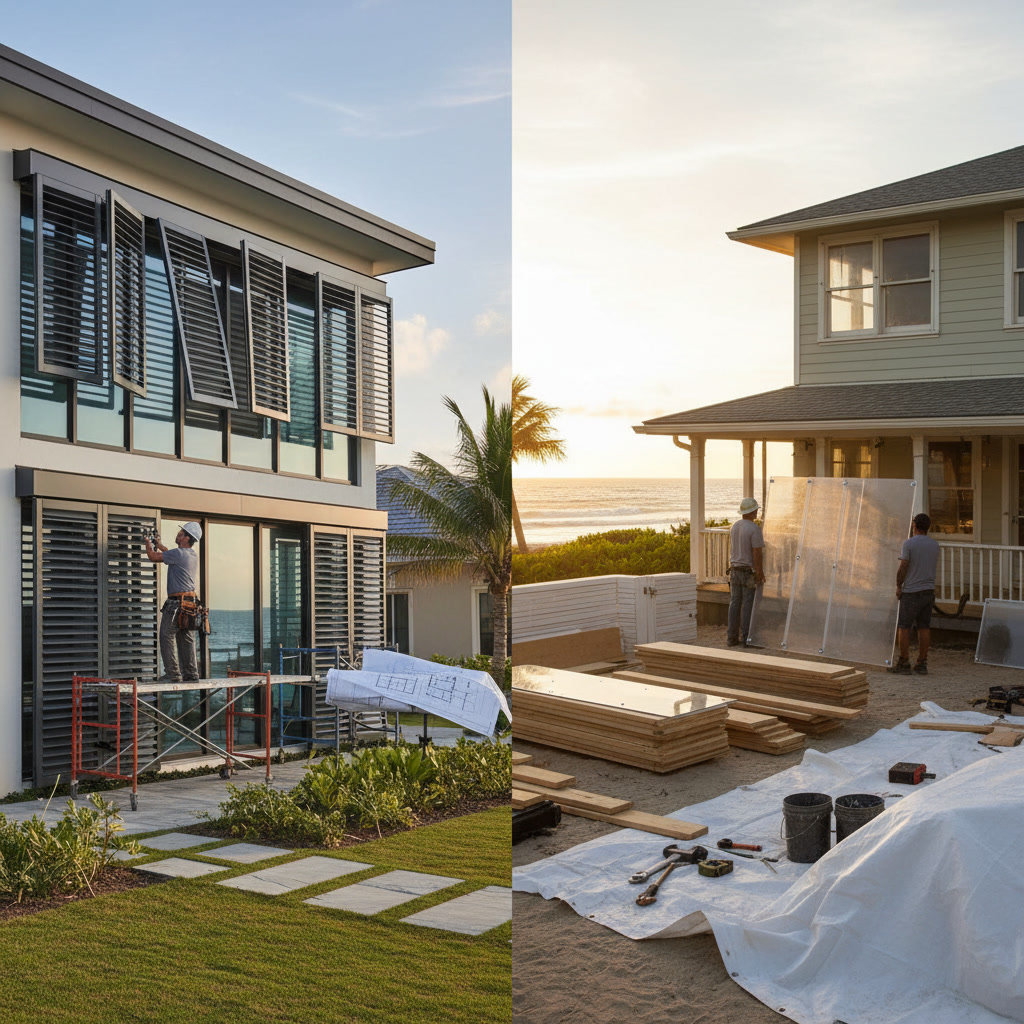
Permanent systems carry higher upfront costs but deliver long-term value. Accordion shutters start around $15 to $25 per square foot. Roll-down shutters range from $20 to $35 per square foot for manual operation and $25 to $45 for motorized systems. Bahama and colonial shutters fall in the $20 to $40 range depending on materials and finish. A full-home permanent installation typically runs $8,000 to $25,000 based on home size and product selection.
Insurance discounts offset permanent system costs over time. Many carriers offer premium reductions of 10% to 30% for verified hurricane protection, which can recover hundreds of dollars annually. Permanent shutters also add resale value, making them an investment rather than pure expense.
Aesthetic Impact and Daily Living
Temporary shutters disappear when not deployed, leaving your home’s appearance unchanged most of the year. This appeals to homeowners in historic districts or those who prioritize curb appeal. However, the mounting hardware remains visible year-round as small anchor points around each opening.
Permanent shutters alter your home’s exterior character. Colonial and Bahama styles add architectural interest and can enhance traditional or coastal design themes. Roll-down boxes sit above windows and may affect sightlines from inside. Accordion shutters stack visibly beside openings. Modern materials and finishes help permanent systems blend with various architectural styles, but they will always have a presence.
Daily functionality extends beyond storm protection. Bahama shutters provide shade and reduce cooling costs. Screens block insects while allowing ventilation. Security shutters deter break-ins when you travel. These year-round benefits make permanent systems work harder for their cost.
Maintenance Requirements Over Time
Temporary panels need inspection before each season. Check for corrosion, warping, or damage from storage. Verify that mounting hardware remains secure and that you have all necessary fasteners. Replace degraded components before hurricane season begins. Plywood panels typically last only a few storms before moisture damage requires replacement.
Permanent systems require routine maintenance to ensure reliable operation. Roll-down shutters need track cleaning and lubrication twice yearly. Check motor functions and manual crank backups annually. Accordion shutters require hinge lubrication and latch inspection. Corrosion resistance varies by material, with aluminum outlasting steel in salt air environments. Budget for minor repairs every few years and potential component replacement after 15 to 20 years of service.
Protection Performance in Wilmington Storms
Both permanent and temporary systems meet the same wind load and impact resistance standards when properly installed. North Carolina building code references ASTM standards for hurricane protection products. Look for products tested to withstand debris impact equivalent to a 9-pound lumber missile traveling at speeds determined by your wind zone.
Installation quality affects performance more than product type. Improperly secured temporary panels can tear free and become dangerous projectiles themselves. Permanent systems installed with inadequate fasteners or incorrect anchoring may fail under stress. Professional installation ensures products perform as designed and meet local building permit requirements. Seacoast Systems Inc verifies that every installation complies with manufacturer specifications and code standards in Wilmington and surrounding coastal communities.
Making the Right Choice for Your Situation
Your decision should weigh several personal factors. If you evacuate for every storm and have family nearby to help install panels, temporary shutters may suffice. If you plan to shelter in place or live alone, permanent systems offer critical advantages. Choosing the right hurricane shutter system requires honest assessment of your capabilities and priorities.
Property characteristics matter too. Homes with many large openings make temporary installation exhausting and time-consuming. Multistory structures pose safety risks when working from ladders. Historic homes may limit exterior alterations, favoring removable options. Condominiums often restrict permanent modifications, leaving temporary panels as the only choice.
Consider your timeline in the home. If you plan to stay long-term, permanent shutters deliver better value through insurance savings, convenience, and added security. If you expect to move within a few years, temporary protection keeps initial costs lower. Climate trends suggest increased storm intensity and frequency, making reliable protection more valuable with each passing season.
Finding the Protection System That Serves You Best
The permanent versus temporary decision ultimately balances convenience against cost, with safety as the non-negotiable constant. Temporary shutters suit budget-conscious homeowners who have help and storage space. Permanent systems serve those who value quick deployment, physical ease, and year-round benefits. Both approaches protect your property when installed correctly and deployed in time.
The best system is the one you will actually use when storms threaten. If temporary panels sit in storage because installation feels overwhelming, they provide no protection. If permanent shutters cost more than your budget allows and remain unpurchased, they cannot help. Match your choice to your real-world situation rather than an ideal scenario.
Seacoast Systems Inc helps homeowners select and install hurricane protection that fits their specific needs and properties. Whether you need efficient roll-down systems, traditional colonial shutters, or reliable storm panels, our team ensures proper installation and reliable performance when it matters most. Reach out to discuss which approach makes sense for your home at (910) 763-6679.