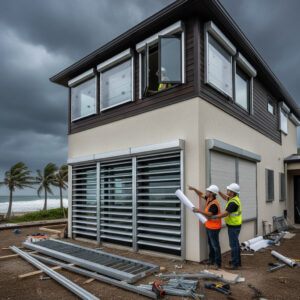
Building codes determine which hurricane protection products meet structural and safety requirements for your specific property. Coastal communities enforce hurricane shutter codes based on wind zone classifications, attachment methods, and impact resistance standards that vary by jurisdiction. Understanding these regulations before purchasing shutters ensures compliance and prevents expensive retrofits or failed inspections.
Why Coastal Communities Enforce Stricter Shutter Regulations
Properties located within hurricane-prone regions face higher wind loads and debris impact risks than inland homes. Local building officials adopt stricter codes to protect residents and reduce property damage during severe weather events. These regulations reflect lessons learned from past storms and updated engineering standards.
Coastal zones typically fall under higher wind speed categories defined by the International Building Code and state amendments. North Carolina’s coastal counties, including New Hanover and Brunswick, require products tested to withstand sustained winds of 130 to 150 mph depending on distance from the shoreline. Your home’s proximity to the ocean directly influences which products meet code requirements.
The Role of Wind Zone Classifications in Product Selection
Building departments assign wind zone classifications based on geographic location and exposure category. These classifications determine the minimum design pressure rating your shutters must meet. A home three blocks from the beach faces different requirements than one five miles inland, even within the same municipality.
Design pressure ratings measure how much wind force a product can resist before failing. Most coastal North Carolina properties require shutters rated for design pressures between negative 30 and negative 50 psf (pounds per square foot). The negative number represents suction force that tries to pull shutters away from the building. You can find your property’s required rating by contacting your local building department or reviewing recent construction permits for your address.
Impact Resistance Standards You Must Meet
Beyond wind ratings, codes often require shutters to pass large missile impact tests. These tests simulate debris striking your home during hurricane-force winds. Testing facilities fire 2×4 lumber projectiles at products to verify they can withstand impacts without breaching.
The Florida Building Code and adopted variations specify two testing protocols: small missile (gravel and roof aggregate) and large missile (lumber). Most coastal areas require large missile protection for shutters, though specific requirements depend on your wind zone and opening size. Windows exceeding 30 feet above grade may have different criteria than ground-floor openings.
Understanding Hurricane Shutter Codes in Wilmington
Wilmington enforces the North Carolina Building Code with local amendments that address coastal exposure. Properties within the city limits and surrounding beach communities must comply with Section R301.2.1.1, which references ASCE 7 wind maps for ultimate design wind speeds.
The local building department requires documentation proving your chosen shutters meet tested design pressures for your specific address. This means supplying product approval reports from recognized testing agencies before installation begins. Seacoast Systems Inc maintains current approval documentation for all products, streamlining the permitting process for customers throughout the Cape Fear region.
How Attachment Methods Affect Code Compliance
The strongest shutter becomes useless if improperly anchored. Building codes specify fastener types, spacing intervals, and substrate requirements that vary by wall construction and shutter style. Masonry walls accept different fasteners than wood-frame construction, and each combination requires engineering validation.
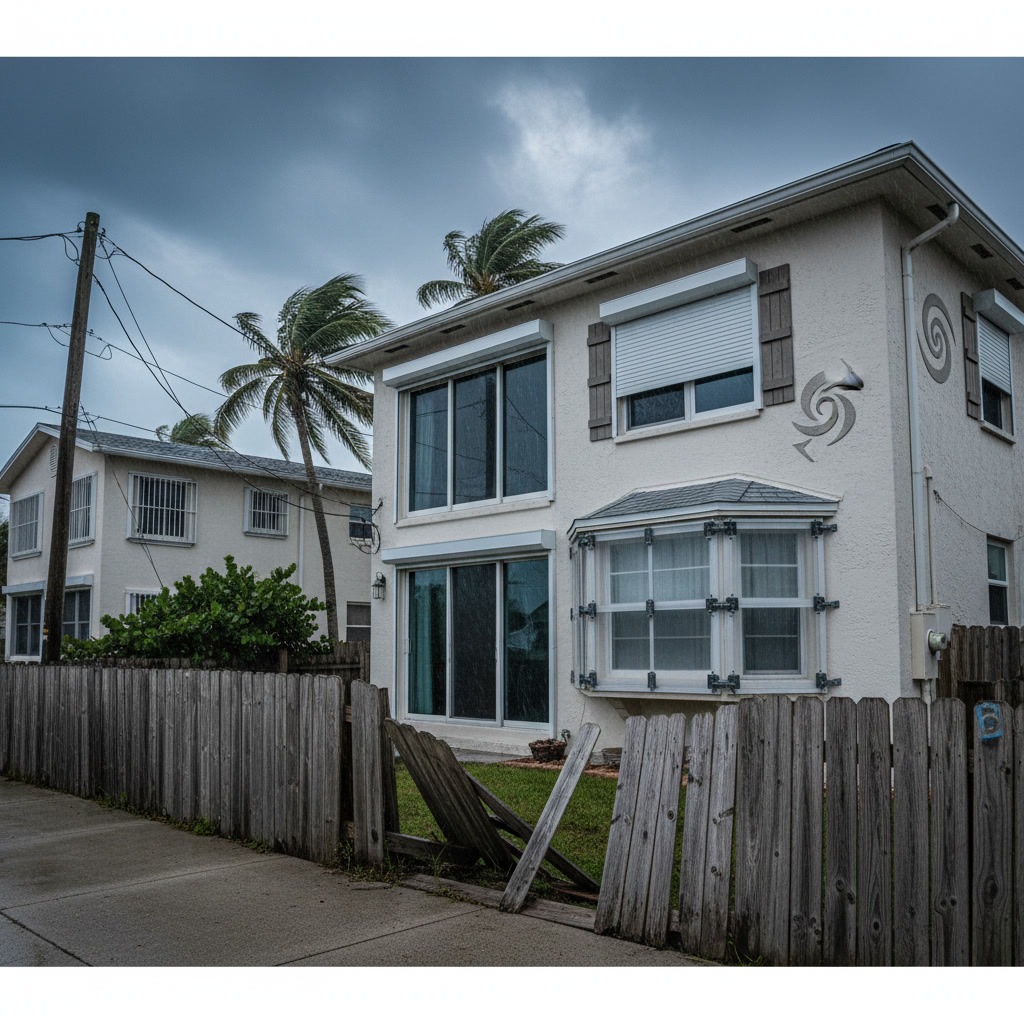
Roll-down shutters typically mount to structural headers above window openings, while accordion systems require tracks anchored beside each opening. Choosing the right system involves matching your home’s construction type with compliant attachment methods. Colonial and Bahama shutters need hinges and fasteners capable of handling both positive and negative wind pressures without pulling free.
Inspectors verify fastener patterns during rough and final inspections. Missing a single fastener or using incorrect spacing can result in failed inspections and delayed project completion. Professional installers familiar with local codes prevent these issues by following tested installation specifications exactly.
Retrofitting Older Homes to Meet Current Standards
Homes built before stricter codes took effect often lack adequate structural support for modern shutter systems. Retrofitting these properties requires additional reinforcement to meet current load requirements. This might include installing backer plates, upgrading headers, or reinforcing wall framing.
Building officials typically enforce current codes when you add new protection systems, even if your home predates the regulations. This means a 1980s beach house needs shutters meeting today’s standards, not those in effect when originally constructed. The permitting process reveals what structural upgrades are necessary before installation begins.
Comparing Code Requirements Across Different Shutter Types
Not all shutter styles face identical code requirements, though all must meet the same wind and impact ratings for a given location. The differences lie in installation complexity and structural demands.
Roll-down systems: Require engineered headers capable of supporting the housing box and shutter panel weight. Codes specify minimum header dimensions and load capacities. These automated systems also need electrical permits when motorized.
Accordion shutters: Need side tracks anchored into structural members at specified intervals. Codes dictate maximum track spacing and minimum substrate thickness. Stack-back areas must allow full panel extension without obstruction.
Panel systems: Require permanent anchor points that remain visible year-round. Anchor spacing and bolt diameter must match tested configurations. Many homeowners associations restrict visible anchors, creating conflicts between code compliance and aesthetic rules.
Colonial and Bahama shutters: Demand continuous load paths from hinges through wall framing to the foundation. These permanently mounted systems need hinges rated for cyclic loading from repeated opening and closing plus storm forces.
The Permitting Process and Required Documentation
Installing hurricane shutters without permits violates building codes and can void insurance coverage. The permitting process verifies your chosen products meet required ratings and proper installation methods will be followed.
You or your contractor must submit product approval reports, engineering drawings, and installation specifications to the building department. Approval reports from agencies like the Miami-Dade Building Code Compliance Office or Florida Building Commission provide third-party verification of test results. These reports include validated design pressures, impact ratings, and approved installation details.
Most jurisdictions require two inspections: one verifying proper substrate and anchor placement before shutter attachment, and a final inspection confirming completed installation matches approved plans. Scheduling inspections during construction prevents covering up work that needs verification.
Insurance Requirements That Mirror Building Codes
Insurance companies often require documentation proving your shutters meet building codes before granting premium discounts. Some carriers specify minimum ratings higher than code requirements to qualify for wind mitigation credits. This creates situations where code-minimum products pass inspections but fail to maximize insurance savings.
The relationship between shutter ratings and certifications becomes important when balancing code compliance with insurance benefits. Products exceeding minimum code requirements deliver better protection and potentially lower premiums, offsetting higher initial costs through annual savings.

What Happens When You Install Non-Compliant Products
Installing shutters that don’t meet code requirements creates liability, safety, and financial problems. Building inspectors can issue stop-work orders and require complete removal of non-compliant installations. You remain responsible for bringing the property into compliance at your own expense.
Insurance claims after storm damage may be denied if investigators discover non-compliant or unpermitted shutters. Carriers argue that improper protection contributed to losses, reducing or eliminating coverage. This risk extends beyond the shutters themselves to damage throughout the home.
Future property sales face complications when unpermitted work appears during inspections. Buyers can demand corrections, price reductions, or walk away entirely. Obtaining retroactive permits for completed work often costs more than following proper procedures initially and may be impossible if installations don’t meet current standards.
Working With Professionals Who Understand Local Requirements
Navigating building codes, product selection, and permitting processes requires expertise that most property owners don’t possess. Professional installers who regularly work in your jurisdiction understand which products meet local requirements and how to document compliance properly. They maintain relationships with building officials and know how to resolve issues that arise during inspections.
Experienced contractors also carry liability insurance covering code violations and failed installations. This protection transfers risk away from you if problems occur. DIY installations or hiring unlicensed contractors leaves you personally responsible for all compliance issues and correction costs.
Seacoast Systems Inc has completed hundreds of compliant installations across New Hanover and Brunswick counties. Our team handles permitting, coordinates inspections, and maintains all required documentation. We stock only products with current approval reports for coastal North Carolina applications, eliminating guesswork about which shutters meet your property’s specific requirements.
Protecting Your Home Within Code Requirements
Building codes exist to ensure hurricane shutters actually protect your property when storms strike. While navigating these regulations adds complexity to your project, compliance delivers real safety benefits and protects your investment. Understanding wind zones, impact standards, and attachment requirements helps you make informed decisions about which products suit both your home’s architecture and regulatory environment.
The right approach combines code-compliant products with proper installation and complete documentation. This strategy passes inspections, maintains insurance coverage, and delivers the protection your family needs during severe weather events.
Ready to install hurricane shutters that meet all building code requirements for your property? Contact Seacoast Systems Inc at (910) 763-6679 to discuss which compliant systems work best for your home. Our experienced team handles permitting and installation, ensuring your project passes inspections the first time.